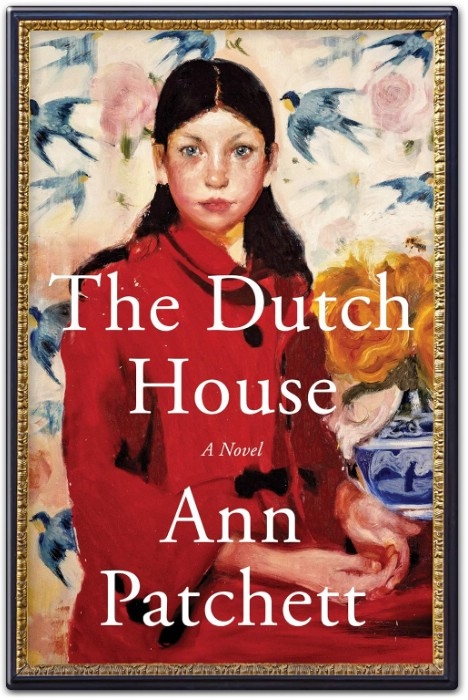
Introduction: A House That Holds More Than Memories
What if the house you grew up in became the symbol of everything you lost? In Ann Patchett’s The Dutch House, the grand mansion is more than just a setting—it’s a powerful emblem of memory, identity, and the longing for what once was. Through the lives of siblings Danny and Maeve Conroy, Patchett explores how one beautiful home can shape and haunt a family for generations.
This comprehensive The Dutch House summary explores the emotional landscape of a story driven by sibling love, betrayal, sacrifice, and the persistent echo of the past.
Quick Snapshot
- Genre: Literary fiction, family saga
- Themes: Sibling loyalty, abandonment, memory, forgiveness
- Best For: Readers of introspective, character-driven novels
- Strengths: Elegant prose, emotional depth, complex characters
- Caveat: Deliberate pacing may not suit every reader
- One-line Summary: A brother and sister cling to each other as they navigate exile, grief, and a house they can never truly leave behind.
What Is The Dutch House About?
Narrated by Danny Conroy, The Dutch House recounts the lives of Danny and his older sister Maeve, from childhood affluence to sudden abandonment. After their mother leaves the family, their father remarries Andrea—a woman more in love with the house than the children. When their father dies, Andrea evicts them, stripping them of wealth and home.
Maeve sacrifices everything to give Danny a future, sending him to elite schools and watching from the sidelines as he becomes successful in real estate. But despite their progress, both siblings remain emotionally tethered to the Dutch House. Night after night, they park outside their former home, talking, remembering, unable to move on.
As time passes, secrets unfold, their estranged mother returns, and questions of forgiveness, inheritance, and healing rise to the surface.
Plot Overview (Spoiler-Free)
- Childhood in Luxury: Danny and Maeve grow up in the opulent Dutch House, shadowed by their mother’s disappearance.
- Andrea’s Infiltration: Their father’s new wife quickly asserts her dominance, deepening family tensions.
- Sudden Exile: After their father’s death, Andrea takes control and banishes the siblings.
- Maeve’s Sacrifice: Maeve ensures Danny receives a first-class education, despite their poverty.
- Fixation on the Past: They frequently revisit the Dutch House, emotionally stuck in their former lives.
- Revelations and Healing: The truth about their mother and Andrea comes to light as the siblings face painful reckonings.
- Bittersweet Resolution: Although the house changes hands, its emotional imprint endures.
Key Themes
| Theme | Description |
|---|---|
| Sibling Love | Danny and Maeve’s bond anchors the novel, showcasing loyalty and lifelong support. |
| Loss & Abandonment | The disappearance of their mother and the loss of the house create emotional wounds that shape their adulthood. |
| Class & Wealth | The Dutch House represents privilege, but it’s also a trap that prevents growth. |
| Memory | Much of the novel is retrospective, exploring how our memories influence present choices. |
| Forgiveness | The characters struggle to forgive both themselves and others as they mature. |
The Main Characters
| Character | Role | Description |
| Danny Conroy | Protagonist/Narrator | Reflective, driven by his sister’s influence and family obligations. |
| Maeve Conroy | Older Sister | Fiercely intelligent, deeply loyal, and emotionally anchored to the Dutch House. |
| Cyril Conroy | Father | A real estate mogul who prioritizes wealth but neglects emotional depth. |
| Elna Conroy | Mother | Absent most of the novel; her mysterious departure defines the family’s trauma. |
| Andrea | Stepmother | Antagonist whose obsession with the house leads to the siblings’ exile. |
Powerful Symbolism
| Symbol | Meaning |
| The Dutch House | Embodiment of lost childhood, power, and fixation on the past. |
| Maeve’s Red Coat | Symbol of strength and identity frozen in time. |
| Portraits | Watchful relics of a bygone era, representing judgment and history. |
| The Parked Car | Metaphor for emotional paralysis and inability to let go. |
Chapter-by-Chapter Breakdown
Chapter 1-3: The Introduction of Andrea & Childhood
Danny and Maeve sense unease as Andrea enters their lives. The house’s grandeur looms large, and Andrea’s fascination with it signals impending turmoil.
Chapter 4-6: Displacement & Loss
Andrea marries Cyril; Maeve is sidelined. With Cyril’s death, Andrea takes everything, leaving the siblings homeless. Maeve becomes Danny’s surrogate parent, funding his future.
Chapter 7-10: Resilience & Resistance
Maeve insists Danny attend elite schools. He drifts from expectations, drawn instead to real estate—his father’s legacy. He meets Celeste, though Maeve’s influence still dominates.
Chapter 11-14: Secrets & Revelations
Maeve’s illness leads to revelations about their mother, Elna. Fluffy, a former nanny, provides insight into family betrayals and past romances.
Chapter 15-17: Confronting the Past
Maeve’s health declines; Elna reenters their lives, stirring emotional confusion. Danny begins to understand Elna’s motivations for leaving.
Chapter 18-20: Closure & Legacy
Danny watches as Maeve and Elna reconnect. Andrea’s decline mirrors the erosion of the house’s power. In the end, Danny’s daughter May reclaims the house, symbolizing renewal and emotional closure.
Writing Style & Tone
- Narration: First-person, deeply introspective
- Tone: Nostalgic, tender, philosophical
- Pacing: Measured, meditative, emotionally resonant
Ann Patchett’s prose is immersive, elevating everyday emotions into lyrical explorations. The novel’s strength lies in its internal tensions rather than external conflict.
Memorable Quotes
“We had made a fetish out of our misfortune, fallen in love with it.”
“The Dutch House was the story we told ourselves about ourselves.”
“I wonder if forgiveness isn’t, in some ways, the opposite of love.”
“Do you think it’s possible to ever see the past as it actually was?”
About the Author: Ann Patchett
Ann Patchett is a celebrated American author known for her emotionally nuanced novels and elegant prose. She co-owns Parnassus Books in Nashville and has been recognized with multiple literary awards.
Quick Facts:
- Born: December 2, 1963, Los Angeles, CA
- Notable Works: Bel Canto, Commonwealth, State of Wonder
- Awards: PEN/Faulkner Award, Orange Prize
- Known For: Deeply human storytelling and moral complexity
Frequently Asked Questions
Is The Dutch House based on a true story?
No, it’s a fictional narrative, though grounded in universal emotional truths.
What does the Dutch House symbolize?
It represents lost innocence, wealth, obsession, and the characters’ inability to move forward.
Is it a slow read?
Yes, the pacing is deliberate, but emotionally rewarding.
Is Maeve the real hero of the novel?
Many readers believe so—her sacrifices and strength drive the story forward.
Final Verdict: Should You Read The Dutch House?
Absolutely. If you appreciate emotionally rich, introspective novels that explore family dynamics, Patchett’s The Dutch House is essential reading. It is a quiet masterpiece that reflects how the places we come from define who we become.
Rating: ⭐⭐⭐⭐⭐ (5/5)
An unforgettable exploration of memory, love, and the power of forgiveness.