Introduction: Why Human Acts Still Hurts So Deeply
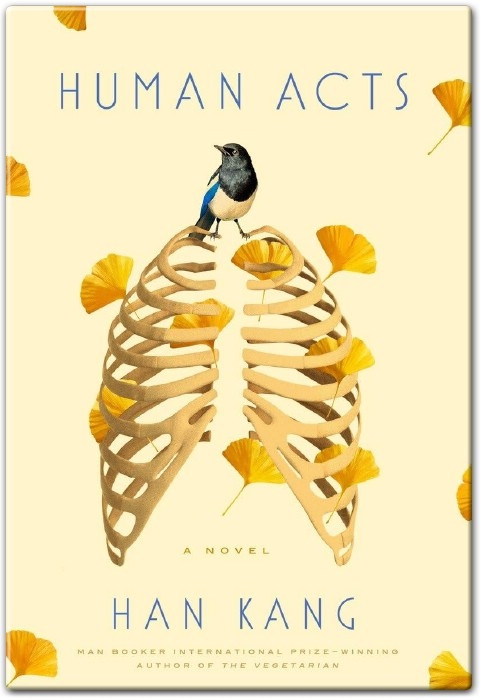
“Some memories never heal. Rather than fading… they become the only things left.” – Han KangHan Kang’s Human Acts is not simply a novel—it’s an emotional reckoning. Rooted in the historical nightmare of the 1980 Gwangju Uprising in South Korea, the book dissects the fragile threads that tether us to our humanity in the face of unbearable violence. If you’re searching for a novel that doesn’t flinch from exposing political brutality and the long, slow poison of generational trauma, this Human Acts Summary will guide you through its harrowing yet necessary pages.
TL;DR: Human Acts Summary at a Glance
- Premise: A multi-narrative reflection on the Gwangju Uprising’s aftermath and its psychological echoes over 30+ years.
- Main Themes: Humanity in crisis, memory and trauma, state violence, moral resistance.
- Writing Style: Poetic, brutal, deeply immersive.
- Perfect For: Readers of literary fiction, historical realism, and social justice narratives.
- Content Warning: Extremely graphic violence, child death, torture.
- Overall Rating: ⭐⭐⭐⭐⭐ — Devastating yet essential.
About the Author: Han Kang’s Personal Ties to Gwangju
Born in Gwangju in 1970, Han Kang left the city before the uprising, but its traumatic legacy imprinted itself on her life and work. Writing Human Acts was, as Kang described, “an excruciating process,” akin to reopening wounds that never healed. Originally titled The Boy is Coming, the book isn’t mere fiction—it’s testimony. Kang’s prose is unflinching yet lyrical. Using a blend of first-person, second-person, and omniscient narration, she forces the reader to look where most would turn away. Translator Deborah Smith preserves the original’s raw emotional intensity, avoiding melodrama while maximizing impact.Human Acts Summary: Plot Overview Across Decades
1980 – Gwangju, South Korea
The story begins in a makeshift gymnasium-turned-morgue. Dong-ho, a 15-year-old volunteer, is searching for his missing friend, Jeong-dae. Instead, he finds himself tagging corpses—many just children—murdered by the South Korean military during a democratic uprising. His quiet, compassionate act of lighting candles for the dead becomes a symbol of human dignity amid horror. Read Also:1985 – Repression and Censorship
Eun-sook, a former morgue volunteer, now works as a book editor. The trauma she endured resurfaces when she’s attacked by authorities. Her flashbacks are vivid and disturbing, revealing how state violence doesn’t stop at the body—it colonizes the mind.1990 – Torture and Silence
An unnamed prisoner recounts his time in jail, where he was brutally tortured. He’s haunted by the suicide of Jin-su, his activist cellmate. Here, the psychological scars of survival are laid bare, exploring guilt and the shame of staying alive when others did not.2002 – Testimony Through Pain
Seon-ju, once a factory worker turned activist, is asked to recount her experience of sexual violence during the uprising. Her struggle to speak—despite deep internalized pain—highlights the gendered nature of trauma and the difficulty of bearing witness.2010 – A Mother’s Grief
Dong-ho’s mother visits her son’s grave. Her pain is no less raw, decades later. This chapter is perhaps the most emotionally devastating, as a parent confronts the permanence of loss and the injustice of a life stolen too soon.2013 – The Writer’s Reckoning
Han Kang steps into the narrative, sharing the emotional burden of telling this story. Her inclusion underscores the personal toll of writing about trauma and reflects the ethical responsibility of storytelling.Core Themes in Human Acts Summary
| Theme | Description | Why It Matters |
|---|---|---|
| Humanity vs. Dehumanization | The dead are treated as “meat”; survivors cling to dignity by caring for the dead. | You’re forced to ask: What defines being human when society treats us like objects? |
| Unhealed Trauma | Flashbacks, nightmares, and suppressed memories define survivors’ lives. | Trauma doesn’t vanish—it lives, grows, and distorts. Can we ever truly recover? |
| Resistance Through Conscience | Small acts—refusing to forget, lighting candles, testifying—become revolutionary. | Resistance isn’t always loud. It’s choosing truth in a world built on denial. |
| The Cost of Silence | Survivors often cannot speak; history is censored or twisted. | Testimony is survival. Silence, forced or chosen, allows atrocities to repeat. |
| Burden of Survival | Those who lived carry guilt heavier than death. | The question lingers: Why me, and what now? |
Character Breakdown: Who Tells This Story?
| Character | Role | Key Arc |
|---|---|---|
| Dong-ho | Teen volunteer | Becomes a symbol of lost innocence and haunting memory. |
| Eun-sook | Survivor turned editor | Suffers flashbacks; speaks truth despite danger. |
| The Prisoner | Torture victim | Lives with shame, survivor’s guilt, and psychological scars. |
| Seon-ju | Former activist & victim | Struggles to recount sexual violence; her silence is deeply powerful. |
| Dong-ho’s Mother | Grieving parent | Her pain is the emotional heart of the book—a mother’s endless mourning. |
| Jin-su | University activist | Dies by suicide; a ghostly presence in later narratives. |
| The Writer | Author (Han Kang) | Reflects on the ethics of writing history and memory. |
Literary Style: How Han Kang Writes Pain
- Narrative Form: Alternates between second-person and first-person, giving the reader a visceral, almost participatory experience of trauma.
- Tone: Raw, poetic, reflective. Violence is never romanticized but described with brutal clarity.
- Structure: Non-linear. The past constantly collides with the present, reflecting the nature of memory and trauma.
- Translation: Deborah Smith masterfully conveys Kang’s haunting rhythm without sacrificing emotional intensity.
Reader Reactions: What People Say
“This book crawled inside my bones and hasn’t left.” — Sarah, Goodreads
“The chapter with Dong-ho’s mother shattered me.” — Ji-hyun, BookBub
“Han Kang doesn’t let you look away. It’s necessary and painful.” — Mark, Amazon
“I didn’t read this—I endured it. And I’m better for it.” — Alex, Goodreads