Introduction: Why “House Arrest” by K.A. Holt Is a Must-Read
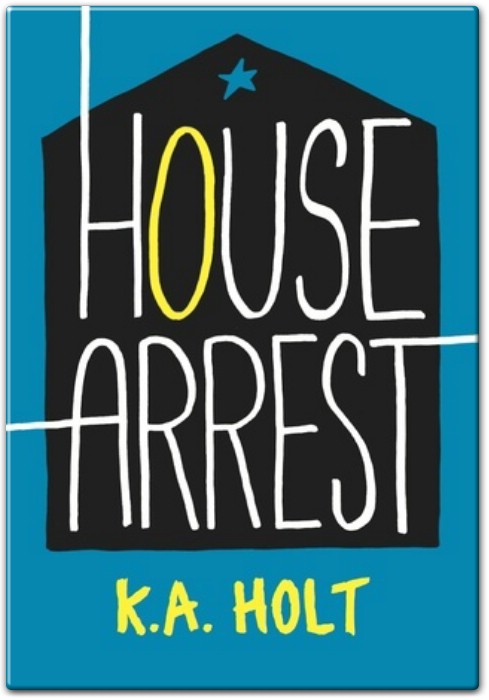
“House Arrest” by K.A. Holt is not your typical middle-grade novel. Written in a free verse journal format, this emotionally resonant story invites readers into the heart and mind of a young boy trying to do the right thing in a world stacked against him. At just twelve years old, Timothy finds himself under court-mandated house arrest after stealing a wallet—not for selfish reasons, but to buy medicine for his baby brother, Levi, who suffers from a life-threatening medical condition.
In this House Arrest summary, we’ll explore why this poignant book has left a lasting impact on readers of all ages. It dives deep into themes of family, morality, systemic injustice, and personal transformation, all while maintaining a voice that is authentic, accessible, and heartbreakingly human. For fans of contemporary fiction that balances depth with hope, House Arrest stands as a compelling and emotionally layered read.
Quick Snapshot of the Plot
Set over the course of a year, the novel follows Timothy’s experiences as he adjusts to life on probation, keeps a journal as part of his court-ordered therapy, and navigates the emotional weight of his actions. The story is told entirely through Timothy’s journal entries, written in verse, which gives readers a raw, unfiltered glimpse into his thoughts and struggles.
At its heart, House Arrest is a story of love, responsibility, and growth. Timothy’s crime—stealing to save his brother—sparks a journey of self-awareness and moral introspection. While his intent was noble, the consequences are complex, and Timothy must learn that doing the right thing sometimes comes with painful repercussions.
Main Characters: A Look at the Core Cast
- Timothy: The protagonist and narrator, Timothy is a deeply caring yet troubled twelve-year-old. His actions are driven by love, but he’s also angry, confused, and burdened by guilt. Through his journal entries, readers witness his emotional evolution—from resentment and helplessness to maturity and self-acceptance.
- Levi: Timothy’s infant brother, Levi, suffers from a severe respiratory condition. Though Levi doesn’t speak, his presence permeates every aspect of the story. He represents both the urgency of Timothy’s decision and the systemic failures of the healthcare system.
- Annie (Mom): A hardworking single mother, Annie juggles her job, Levi’s care, and her growing worry about Timothy. Her strength, vulnerability, and exhaustion are palpable, making her a deeply relatable character for adult readers.
- James (Probation Officer): Timothy’s probation officer is firm yet fair, acting as one of the few adults in the book who truly sees Timothy’s struggle without judgment.
- Mrs. B (Therapist): Compassionate and persistent, Mrs. B helps Timothy confront his emotions and understand the root causes of his behavior, offering guidance without preaching.
Narrative Style: The Power of Verse
One of the most unique elements of House Arrest is its format. Told in free verse through Timothy’s journal, the book feels raw, immediate, and intensely personal. This structure allows Holt to explore complex emotional terrain with clarity and poignancy, stripping away the excess and focusing on the core of each moment. It also makes the book highly readable, even for reluctant readers.
The verse format enhances the emotional resonance, capturing Timothy’s vulnerability and inner conflict in a way that prose might dilute. It’s not just a stylistic choice—it’s essential to how the story unfolds and connects with readers.
Themes in House Arrest: Emotional Depth and Social Relevance
1. Family and Sacrifice
At its core, House Arrest is a love letter to family. Timothy’s actions, while illegal, are rooted in a deep desire to protect his brother. His mother’s daily grind, his sleepless nights, and the constant financial strain all highlight the lengths people go to for those they love. These sacrifices—both big and small—are the emotional backbone of the novel.
2. Morality and Right vs. Wrong
The novel refuses to give easy answers. Timothy’s crime challenges readers to consider the complexities of morality. Is it wrong to steal if it’s to save a life? Holt masterfully crafts a narrative that forces us to see the moral gray areas that real people face, especially those dealing with economic or medical hardships.
3. Healthcare Inequity
Perhaps one of the most poignant and socially relevant themes in House Arrest is the inequity of the healthcare system. The desperation that leads Timothy to steal is rooted in his family’s inability to access the life-saving medicine his brother needs. This raises important questions about justice, privilege, and systemic failure—topics rarely explored in middle-grade literature with such depth.
4. Personal Growth and Responsibility
Over the course of the book, Timothy evolves. Initially resistant to therapy and bitter about his situation, he gradually learns to take responsibility for his actions, understand his emotions, and begin the path toward healing. This growth is slow, realistic, and deeply earned, making the ending all the more satisfying.
5. The Power of Compassionate Adults
While Timothy is often let down by the world, key adults—his therapist and probation officer—offer empathy and support. They represent the importance of mentorship and mental health support, especially for children navigating trauma and responsibility beyond their years.
Key Takeaways: What Makes House Arrest a Standout?
- Emotional Authenticity: Timothy’s voice feels real and raw, making it easy for readers to empathize with him.
- Social Commentary: The novel doesn’t shy away from difficult topics, from poverty to systemic injustice.
- Accessible Yet Deep: Its free verse structure makes it readable for younger audiences while maintaining emotional depth for older readers.
- Character-Driven: Every character feels fleshed out and contributes meaningfully to Timothy’s journey.
- Hopeful Message: Despite its heavy themes, the book ends on a note of growth and healing, showing that even in tough times, there’s a path forward.
Final Thoughts: Why This House Arrest Summary Matters
K.A. Holt’s House Arrest is more than just a story about a boy under legal supervision—it’s a meditation on what it means to care deeply, make mistakes, and grow from them. It explores the moral complexities children are often shielded from, making it a rare gem in middle-grade fiction.
This House Arrest summary underscores the novel’s relevance and emotional resonance, reminding us that sometimes, the most profound stories come from the voices of those we often overlook. Timothy’s journey is messy, complicated, and beautifully human—an essential read for anyone interested in stories that blend emotional honesty with powerful social commentary.