What if the deadliest infectious disease of our time isn’t a mystery virus or an emerging threat—but something curable, treatable, and centuries old?
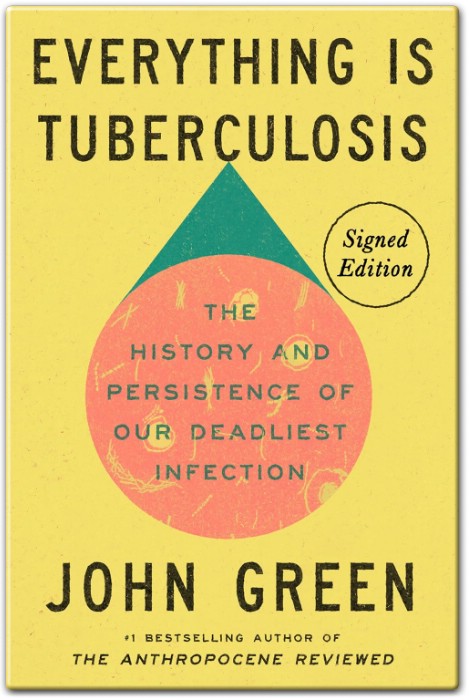
In Everything Is Tuberculosis, bestselling author John Green shines a glaring light on tuberculosis (TB)—a disease many assume was defeated long ago. But as Green compellingly illustrates, TB is not only still here, it remains one of the world’s leading killers. Everything Is Tuberculosis Summary takes you through Green’s sharp critique of global health inequity, systemic injustice, and our collective failure to address a disease that has been curable for decades.
A Story-Driven Examination of a Global Crisis
At the heart of Everything Is Tuberculosis lies the story of Henry Reider, a teenager from Sierra Leone. His journey through diagnosis, treatment, and eventual recovery serves as both a deeply personal account and a broader metaphor for how healthcare systems around the world often fail the people who need them most.
Through Henry’s story, Green does more than explain TB—he humanizes it. His narrative approach allows readers to connect emotionally with the global health crisis, transforming overwhelming statistics into an intimate and urgent portrait of suffering, resilience, and injustice.
Why TB Still Matters Today
Despite being treatable, tuberculosis still claims over 1.5 million lives each year—a staggering number in the age of modern medicine. Green argues that TB’s persistence is not a medical mystery but a failure of systems. Poverty, underfunded healthcare infrastructure, and social stigma all contribute to its continued spread.
This isn’t just a health problem; it’s a political and economic one. Green uses his platform to demand accountability—from governments, pharmaceutical companies, and global health organizations. The book makes one thing clear: TB survives not because of bacterial strength, but because of human indifference.
Everything Is Tuberculosis Summary – Key Themes
1. Systemic Injustice Fuels Disease
Green asserts that TB thrives in environments shaped by inequality—where poverty, malnutrition, and crowded living conditions are prevalent. He reframes TB as a disease of injustice, where access to healthcare is dictated more by geography and wealth than by medical need. TB’s survival is, in essence, a man-made catastrophe.
2. Colonial Legacies Still Shape Global Health
In a particularly poignant analysis, Green ties TB’s persistence to the structural damage of colonialism. Many countries most affected by TB today were once colonized, and their healthcare systems remain underdeveloped. Colonial powers, he argues, prioritized resource extraction over building sustainable health infrastructure—a wound that still bleeds today.
3. The Damaging Role of Stigma
Stigma surrounding TB has changed shape over centuries—from being romanticized in 18th-century Europe to being demonized as a “dirty” disease in marginalized communities. Green explores how racialization and moral judgment have isolated TB sufferers, making it harder for people to seek help and harder for societies to respond with empathy.
4. Failures in Global Health Systems
Green pulls no punches in criticizing the ineffectiveness of global health institutions. He highlights how pharmaceutical companies often neglect TB because it predominantly affects poor populations, and how international agencies struggle to provide equitable solutions. The result: long treatment regimens, drug shortages, and patients like Henry facing uphill battles.
5. Personal Stories Bridge Science and Emotion
More than just statistics and policy, Green’s book reminds us that health crises are experienced one person at a time. By anchoring the narrative in Henry’s personal fight, Green encourages readers to see TB not just as a problem “over there,” but as a human tragedy deserving of empathy, urgency, and change.
Memorable Characters Who Drive the Story
- Henry Reider: A teenager from Sierra Leone whose battle with TB personalizes the book’s broader message. His strength in the face of hardship shows the resilience of patients and the importance of access to compassionate care.
- Isatu (Henry’s Mother): A symbol of maternal dedication, Isatu plays a critical role in her son’s recovery. Her story underscores how family support is often the most consistent element in global healthcare deserts.
- Dr. Girum Tefera: An Ethiopian doctor at Lakka Government Hospital, he provides Henry with care in incredibly challenging circumstances. Dr. Tefera embodies the moral backbone of healthcare professionals working on the front lines of underserved communities.
- John Green (Narrator): As both storyteller and advocate, Green’s voice is central to the narrative. His personal connection to Henry and passionate commentary elevate the book beyond traditional nonfiction, making complex global issues digestible and emotionally resonant.
What Readers Are Saying
Readers from across the globe have praised Everything Is Tuberculosis for its unique blend of personal narrative, historical context, and scientific clarity:
“A powerful and necessary book. Green weaves facts and feeling in a way that sticks with you.” – Goodreads Review
“This book doesn’t just talk about disease—it talks about the world we’ve built that allows it to thrive.” – Amazon Reader
“Henry’s story is haunting and inspiring. I’ll never look at global health the same way again.” – Goodreads Review
About the Author: John Green
John Green is best known for bestselling young adult novels like The Fault in Our Stars and Looking for Alaska, but Everything Is Tuberculosis marks his bold second step into nonfiction. His writing here is impassioned, informed, and deeply empathetic. Green’s ability to translate complex subjects into compelling narratives makes him uniquely suited to tackle a topic as urgent and nuanced as tuberculosis.
He doesn’t simply inform—he invites readers to act.
Final Thoughts – Everything Is Tuberculosis Summary
Everything Is Tuberculosis is a vital, timely, and deeply human book that reveals why tuberculosis remains one of the world’s deadliest infectious diseases, even though we’ve had the means to cure it for decades.
In this Everything Is Tuberculosis Summary, we’ve explored how John Green uses personal storytelling, scientific insight, and systemic critique to uncover the roots of TB’s endurance. His message is clear: if we want to eliminate TB, we must first confront the inequality that allows it to thrive.
Whether you’re interested in public health, social justice, or human resilience, this book is an essential read. It challenges, educates, and inspires—exactly what we need in a world still learning how to care for its most vulnerable.