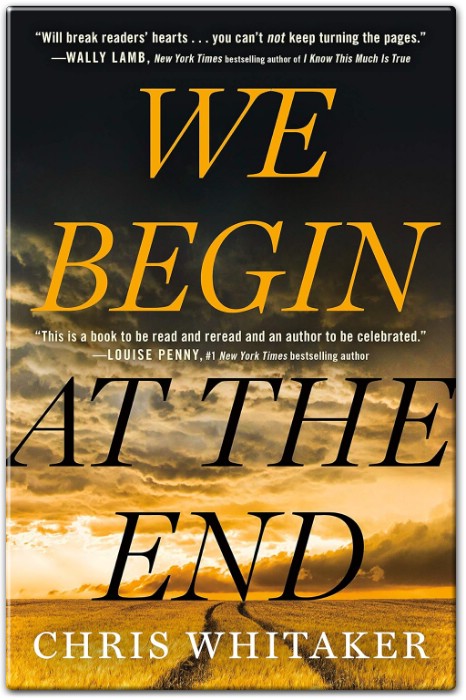
We Begin at the End Summary – A Haunting Tale of Redemption, Grief, and Resilience
Chris Whitaker’s We Begin at the End is not your typical crime novel. Published in 2020, this emotionally charged literary thriller weaves a tale of small-town secrets, broken families, and the heavy legacy of past mistakes. In this We Begin at the End summary, we’ll dive into the novel’s central characters, plot twists, and rich themes—focusing on why this critically acclaimed book continues to resonate so deeply with readers.
Blending suspense with a heart-wrenching portrait of love and loss, We Begin at the End delivers more than a mystery; it’s a powerful narrative about healing, sacrifice, and the blurred lines between guilt and innocence.
A Small Town, A Long Shadow
Set in the quiet coastal town of Cape Haven, California, the story opens with the lingering impact of a decades-old tragedy. Thirty years earlier, the murder of Sissy Radley shook the town to its core. Now, Vincent King—convicted as a teenager and recently released from prison—returns, bringing old wounds and buried secrets back to the surface.
Vincent’s arrival coincides with new turmoil, but at the center of it all are two unforgettable characters: Walk, the town’s police chief, and Duchess Radley, a fiercely protective 13-year-old forced to grow up far too soon.
Plot Overview: Redemption Wrapped in Mystery
This We Begin at the End summary would be incomplete without exploring the layered plot. The novel pivots on the idea that the past never truly disappears—it waits, patient and unresolved. Walk, whose testimony helped put Vincent behind bars, is now faced with the consequences of his choices. Driven by guilt and a longing for justice, he starts to question everything he thought he knew about the crime.
Meanwhile, Duchess Day Radley, Sissy’s niece and Star Radley’s daughter, lives a life defined by chaos and loss. Her mother, Star, struggles with addiction, leaving Duchess to care for her younger brother, Robin. As the story unfolds, Duchess is forced to confront a world that is often unkind, yet she remains a symbol of raw, youthful resilience.
When another tragedy strikes, Vincent once again finds himself a suspect. But as the mystery deepens, so do the emotional stakes, leading to a devastating climax and a bittersweet resolution.
Character Analysis: Deeply Human, Flawed, and Unforgettable
Duchess Day Radley
Duchess isn’t your average teenage protagonist. She’s a self-proclaimed outlaw who’s part child, part adult, and entirely unforgettable. Her fierce loyalty to Robin and her combative nature hide a deep well of vulnerability. Her evolution through the story—from hardened protector to a girl learning to trust—is profoundly moving.
Walk (Chief Walker)
The town’s moral compass, Walk is haunted by his role in Vincent’s conviction. His loyalty, regrets, and battle with terminal illness make him a character as sympathetic as he is flawed. Walk’s unwavering devotion to Duchess and Robin adds depth to his role as a father figure.
Vincent King
Released after serving three decades in prison, Vincent is more than the ghost of the town’s past—he’s a man reshaped by trauma. His quiet demeanor masks a deep emotional struggle. Whitaker crafts Vincent with ambiguity, keeping readers guessing about his innocence and the weight of redemption.
Star Radley
As Duchess and Robin’s mother, Star is a tragic figure—damaged by her sister’s murder and spiraling from addiction. She’s both a victim and a cautionary tale, serving as a mirror for the generational pain running through the Radley family.
Robin Radley
Young, innocent, and utterly lovable, Robin is the emotional heartbeat of the novel. His relationship with Duchess provides some of the story’s most tender moments, acting as a reminder of what’s worth fighting for.
Themes in We Begin at the End: More Than a Crime Thriller
1. The Weight of the Past
The novel masterfully illustrates how past actions ripple into the present. Walk’s guilt, Duchess’s inherited trauma, and Vincent’s return all show how history shapes identity, relationships, and community.
2. Resilience and Responsibility
Duchess’s sacrifice of her own childhood to protect Robin highlights the theme of resilience. Her strength, though admirable, comes at a high personal cost—forcing readers to question what survival really means.
3. Justice vs. Redemption
Whitaker challenges traditional notions of justice. Is legal justice the same as moral justice? Can a person be redeemed after one mistake—or a lifetime of them? These questions lie at the novel’s emotional core.
4. Family in All Its Forms
Biological ties and chosen bonds both play a role. Duchess, Walk, and even Vincent form a makeshift family—one built on compassion and mutual pain. It’s messy, imperfect, but undeniably real.
5. Love and Grief
Love, in Whitaker’s world, is both a balm and a burden. Grief shapes Star’s collapse, Walk’s redemption arc, and Duchess’s fierce independence. Yet it’s love, too, that offers the possibility of healing.
Chris Whitaker: A Master of Emotional Storytelling
British author Chris Whitaker brings a poetic sensibility to this gritty American tale. His prose balances haunting lyricism with raw emotion. Through carefully crafted characters and a deeply empathetic narrative, he turns We Begin at the End into more than just a crime story—it’s literature with heart.
Whitaker’s talent lies in revealing the quiet beauty in broken things, and his skillful layering of suspense and emotion has earned him comparisons to literary giants like Harper Lee and Dennis Lehane.
What Readers Are Saying
Critics and readers alike have praised the novel for its emotional depth, stunning character work, and unforgettable ending.
“One of the best books I’ve read in years. Duchess will stay with me forever.” — Goodreads
“This book broke my heart and healed it in the same breath.” — Amazon Review
“Gripping and gut-wrenching, this is not just a mystery but a meditation on love, pain, and justice.” — BookBub
5 Questions This Book Answers
- What happens when the past refuses to stay buried?
It resurfaces with devastating consequences, forcing characters to face long-avoided truths. - Can someone be redeemed after committing a crime?
The novel explores the complexities of guilt, forgiveness, and the possibility of second chances. - How do children cope in the face of adult failures?
Duchess’s arc highlights the costs of early responsibility and the necessity of love and support. - Is justice always just?
We Begin at the End shows that legal justice may not align with moral or emotional truth. - What makes a family?
Beyond blood ties, it’s love, sacrifice, and shared survival that define family in this novel.
Conclusion: We Begin at the End Summary
Chris Whitaker’s We Begin at the End is a rare gem in contemporary fiction—a novel that transcends genre, offering readers a mystery wrapped in a deeply moving human drama. It’s a tale of redemption that doesn’t offer easy answers, a story of children navigating a world shaped by adult failures, and a haunting reminder of how the past shapes the present.
In this We Begin at the End summary, we’ve seen how Whitaker’s evocative storytelling, rich character development, and resonant themes come together to create a narrative that lingers long after the final page. Whether you’re drawn to crime fiction or literary character studies, this novel promises an unforgettable reading experience.