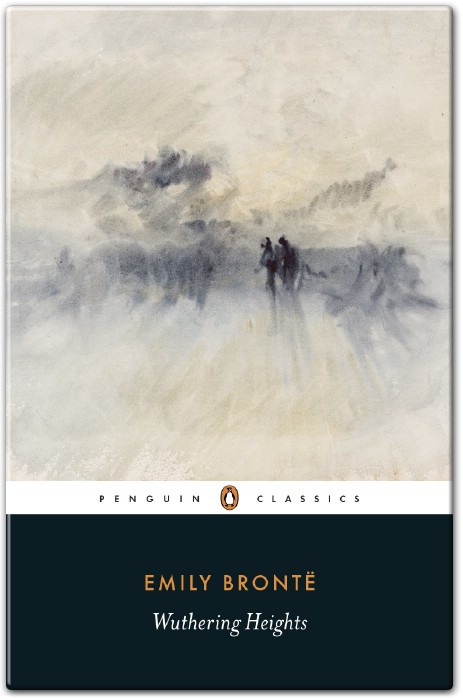
Emily Brontë’s Wuthering Heights is a gothic masterpiece that continues to provoke, enthrall, and unsettle readers nearly two centuries after its publication. This Wuthering Heights summary offers not just a plot walkthrough but a rich, SEO-friendly review designed for modern readers, students, and literary enthusiasts who want to explore the novel’s deepest emotional and thematic layers.
Whether you’re revisiting the moors or encountering them for the first time, this guide will illuminate Brontë’s complex narrative, unforgettable characters, and the novel’s lasting legacy.
Why This Wuthering Heights Summary Matters
Wuthering Heights isn’t a typical love story—it’s a raw, emotionally charged narrative about obsession, social constraints, and the cyclical nature of suffering. Published in 1847 under the pseudonym Ellis Bell, Emily Brontë’s only novel was initially met with controversy for its dark themes and morally ambiguous characters. Today, it stands as one of the most influential works in English literature.
This Wuthering Heights summary offers readers a comprehensive breakdown of the novel’s multi-layered structure, gothic setting, generational plotlines, and timeless messages about love and vengeance.
Fast Facts at a Glance
- Author: Emily Brontë
- Published: 1847
- Genre: Gothic fiction, tragedy, historical romance
- Setting: Yorkshire moors, Northern England
- Main Characters: Heathcliff, Catherine Earnshaw, Edgar Linton, Nelly Dean
- Themes: Obsessive love, revenge, class conflict, generational trauma
- Narrative Style: Framed storytelling through Mr. Lockwood and Nelly Dean
Wuthering Heights Plot Summary: A Story Across Two Generations
At the heart of Wuthering Heights lies the doomed love between Heathcliff and Catherine Earnshaw. Told through a layered narrative involving the outsider Mr. Lockwood and the housekeeper Nelly Dean, the story unfolds as a haunting saga of passion, betrayal, and revenge stretching across two generations.
1. Lockwood’s Arrival and the Ghost of Catherine
The novel opens in 1801 with Mr. Lockwood renting Thrushcross Grange. Curious about his landlord, Heathcliff, he visits Wuthering Heights and experiences a chilling encounter with Catherine Earnshaw’s ghost. This supernatural event prompts Lockwood to ask Nelly Dean for the backstory, which she begins to recount.
2. Heathcliff’s Introduction and Early Life
Mr. Earnshaw brings home a mysterious orphan, Heathcliff, raising him alongside his children, Hindley and Catherine. While Catherine forms a powerful bond with Heathcliff, Hindley grows resentful. After Mr. Earnshaw dies, Hindley demotes Heathcliff to a servant’s role, creating lifelong animosity.
3. Catherine’s Choice and Heathcliff’s Betrayal
As Catherine matures, she faces a dilemma: follow her heart and stay with Heathcliff or marry Edgar Linton for social advancement. She chooses Edgar, breaking Heathcliff’s heart. Overhearing her reasons, Heathcliff vanishes—only to return years later wealthy and vengeful.
4. Revenge and Ruin
Heathcliff systematically destroys both the Earnshaw and Linton families. He marries Isabella Linton to spite Edgar and abuses her emotionally. Catherine, caught between the two men, grows ill and dies after giving birth to her daughter, Cathy Linton. Her death marks a turning point, with Heathcliff becoming even more haunted and hostile.
5. The Second Generation and Redemption
The novel’s second half focuses on the next generation: Cathy Linton, Hareton Earnshaw, and Linton Heathcliff. Heathcliff manipulates their lives to exact revenge, forcing Cathy to marry his sickly son Linton. However, as time passes, Cathy and Hareton form a tender bond. This blossoming love eventually redeems the cycle of hate and suffering.
Heathcliff dies, seemingly at peace, and is buried beside Catherine—suggesting their spirits are reunited at last.
Main Characters in Wuthering Heights
- Heathcliff: A dark, enigmatic orphan driven by love and revenge. His cruelty is matched only by his enduring passion for Catherine.
- Catherine Earnshaw: Wild and willful, Catherine is torn between societal expectations and her deep soul-connection to Heathcliff.
- Edgar Linton: Gentle and refined, Edgar represents civility and social order but lacks the emotional intensity Catherine craves.
- Nelly Dean: The housekeeper and main narrator, Nelly provides a biased but intimate perspective on the events.
- Hareton Earnshaw: Hindley’s neglected son who evolves from ignorance to dignity.
- Cathy Linton: Catherine and Edgar’s daughter, whose eventual love for Hareton offers hope and healing.
Key Themes in Wuthering Heights
1. Obsession and Destructive Love
Catherine and Heathcliff’s love transcends death but consumes everyone around them. Their union is more spiritual than romantic—passionate, but toxic and unsustainable.
2. Revenge and Generational Trauma
Heathcliff’s quest for vengeance doesn’t end with his enemies—it infects their children. Brontë explores how pain, if not confronted, becomes hereditary.
3. Social Class and Status
Class barriers drive Catherine to reject Heathcliff. This theme reflects Victorian England’s rigid hierarchy and how it sabotages authentic human connection.
4. Nature vs. Civilization
The stormy moors represent raw emotion and freedom, in contrast to the constrained elegance of Thrushcross Grange. The landscape mirrors the characters’ internal states.
5. Redemption and Hope
Though the first generation ends in misery, the second generation—Cathy and Hareton—break the cycle through understanding and compassion.
Narrative Style and Structure
Emily Brontë employs a framed narrative: the outer story is told by Mr. Lockwood, while the inner story comes from Nelly Dean. This approach forces readers to question what is true, making the novel psychologically rich and structurally innovative.
- Unreliable narrators: The shifting perspectives create ambiguity and demand active interpretation.
- Circular storytelling: Events often echo across generations, emphasizing recurring patterns of behavior.
Notable Quotes from Wuthering Heights
“Whatever our souls are made of, his and mine are the same.”
“I cannot live without my soul.”
“Nelly, I am Heathcliff!”
“He’s more myself than I am.”
These lines capture the intensity, despair, and depth of emotion that make Wuthering Heights unforgettable.
Critical Reception and Legacy

Initially seen as scandalous, Wuthering Heights has since been celebrated for its groundbreaking portrayal of human psychology, gender roles, and gothic sensibility. Its influence spans generations of writers, filmmakers, and scholars.
Readers admire its boldness:
“One of the most emotionally raw books I’ve ever read.”
“Every character is flawed, yet mesmerizing.”
“Dark, powerful, and oddly uplifting in its final chapters.”
About the Author: Emily Brontë
Born in 1818 in Yorkshire, Emily Brontë lived a secluded life, publishing Wuthering Heights under a male pseudonym. She died of tuberculosis at 30, never knowing the enduring impact of her work. Her reclusive nature and emotional intensity live on through the haunting voices of her characters.
Final Thoughts: Why You Should Read Wuthering Heights
This Wuthering Heights summary reveals a novel that’s as much about emotional truth as it is about narrative innovation. Emily Brontë’s only novel is an unforgettable exploration of passion, cruelty, and ultimately, redemption.
If you’re looking for a classic that challenges, moves, and haunts you—Wuthering Heights is it. Use this summary to enhance your reading or guide your next literary discussion.
Explore the moors, feel the storm—and let the ghost of Catherine whisper to you once more.
Share this Wuthering Heights Summary with fellow readers, students, or anyone who loves classic literature reimagined for modern understanding. Let this guide be your literary compass.