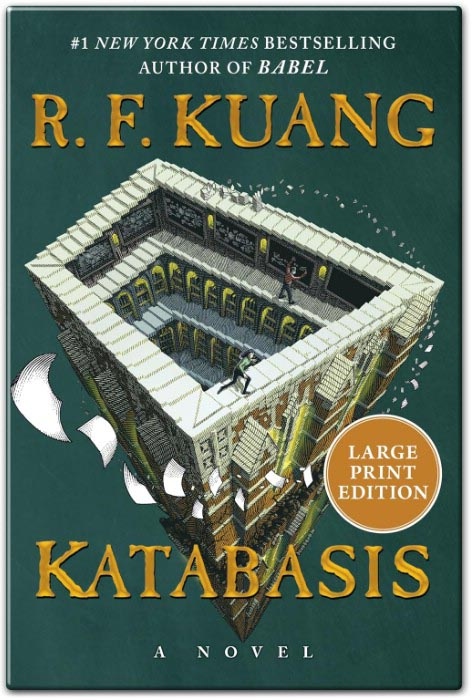
TL;DR: Katabasis at a Glance
At its core, Katabasis follows Alice Law, a brilliant but guilt-ridden postgraduate at Cambridge University, who embarks on a literal journey into the underworld to retrieve the soul of her deceased, abusive mentor, Professor Jacob Grimes. She is accompanied by Peter Murdoch, her academic rival, whose own secrets and burdens make their partnership fraught yet indispensable.
Key Takeaways:
- Magick is Deception: The novel’s magic system, “analytic magick,” relies on paradoxes and linguistic manipulation to bend reality.
- Memory as Burden: Alice’s perfect recall serves as both a weapon and a source of immense psychological torment.
- Hell Mirrors Academia: The Eight Courts of Hell echo the cutthroat, toxic academic environment, illustrating ambition’s destructive potential.
- The Cost of Genius: The story relentlessly interrogates whether extraordinary intellectual achievement justifies personal cruelty and sacrifice.
Themes Explored: Toxic Academia, Guilt and Atonement, Reality and Identity, Trauma, Obsession versus Love, Justice versus Mercy.
Rating: ⭐⭐⭐⭐✨ (4.6/5). Katabasis is an emotionally and intellectually demanding masterpiece that cements R.F. Kuang’s status as a literary powerhouse.
Recommended For: Fans of Kuang’s Babel or The Poppy War, readers of dark academia, and those drawn to morally complex characters and intricate world-building.
Comparable Reads: Bunny by Mona Awad, The Atlas Six by Olivie Blake, The Invisible Life of Addie LaRue by V.E. Schwab, and Dante’s Inferno for grad students.
Why Katabasis Feels Unforgettable
Katabasis isn’t merely a fantasy novel; it’s a profound journey into human ambition, guilt, and the price of intellectual obsession. Kuang’s narrative explores a terrifying question: what would it truly cost to bring someone back from the dead? And in doing so, it examines the psychological toll of living under constant pressure in a competitive, toxic environment.
The novel’s title, derived from the Greek term for a descent into the underworld, perfectly frames the story. Alice’s journey is not just a literal expedition through Hell, but a metaphorical exploration of her own internal demons and unresolved trauma. The journey forces her—and the reader—to confront uncomfortable truths about ambition, morality, and the cost of genius.
Plot Overview (Spoiler-Light)
Alice Law’s life changes when her advisor, Professor Jacob Grimes, dies under mysterious circumstances. Grimes, a genius and a tyrant in equal measure, leaves Alice with a mixture of guilt, longing for approval, and unresolved emotional trauma. Determined to rescue his soul from the underworld, Alice masters the dangerous field of Tartarology and prepares a spell of incredible complexity to journey into Hell.
Her plans are complicated when Peter Murdoch, her charismatic and brilliant academic rival, joins the expedition. Their partnership is tense from the start, but the stakes—half of their remaining lifespans—ensure that neither can back down.
Inside Hell, Alice and Peter encounter the surreal and horrifying Eight Courts. These courts are not traditional depictions of the afterlife; rather, they reflect the cruel bureaucracy, unattainable standards, and competitive ruthlessness of the academic world they have left behind. Each court presents intellectual and psychological challenges, forcing the pair to confront not only external monsters but the guilt, trauma, and ambition that have shaped their lives.
Throughout this perilous journey, their relationship evolves from rivalry to mutual understanding. Both characters are forced to confront their darkest impulses, hidden motives, and the question of whether redemption is possible.
Katabasis Book Summary by Chapter (No Spoilers)
Chapter 1-5: Alice decides to retrieve Grimes’s soul. Peter joins reluctantly. The first glimpses of Hell reveal eerie landscapes and conceptual dangers.
Chapter 6-10: They navigate the First Court (Pride), dominated by endless academic toil, and encounter the temptation of the River Lethe, which offers a seductive release from memory and suffering.
Chapter 11-15: Flashbacks reveal the toxic mentorship of Grimes and the roots of Alice and Peter’s rivalry. They are guided by Elspeth Bayes, a deceased mentor’s former student, who warns them of supernatural predators called the Kripkes.
Chapter 16-20: Alice confronts her guilt, while Peter reveals his chronic illness and personal struggles. Their dynamic shifts from professional tension to uneasy cooperation.
Chapter 21-25: The pair face paradoxical traps and tests of character in Hell’s courts, learning that the journey is as much psychological as physical.
Chapter 26-30: Encounters with monstrous entities and philosophical challenges force Alice and Peter to refine their skills and confront the moral ambiguities of their quest.
Chapter 31-35: The climax involves negotiating with powerful, mythical figures, choosing personal agency over past attachments, and reclaiming control over their lives. The resolution emphasizes survival, self-determination, and the enduring strength of human connection.
Main Characters & Their Arcs
- Alice Law: From guilt-ridden postgraduate to empowered survivor, Alice’s journey is one of self-discovery, moral reckoning, and intellectual mastery.
- Peter Murdoch: Initially a rival, Peter’s arc reveals vulnerability, sacrifice, and the price of genius in a competitive environment.
- Professor Jacob Grimes: Deceased but omnipresent, Grimes embodies the destructive force of toxic mentorship and unchecked ambition.
- Elspeth Bayes: Mentor and guide, offering wisdom from experience and a model of resilience against systemic cruelty.
- The Kripkes: Predatory magicians in Hell, symbolizing the ultimate corruption of academic obsession.
Themes and Analysis
Toxic Academia
Katabasis exposes the destructive power of competitive educational systems. Hell mirrors this environment, highlighting how ambition and cruelty can perpetuate cycles of exploitation and trauma.
Guilt and Redemption
Alice and Peter’s descent is both literal and symbolic, representing their need to confront past mistakes, internalized pressure, and moral dilemmas. The story examines how guilt shapes identity and the complex nature of atonement.
Memory, Identity, and Reality
Alice’s perfect recall is a double-edged sword. The River Lethe tempts her with forgetfulness, raising questions about whether erasing memory can be liberating or annihilating. The magic system itself—based on paradoxes—reinforces the fluidity of reality.
Ambition vs. Humanity
The novel interrogates the cost of brilliance. Grimes and the Kripkes illustrate the dangers of pursuing knowledge at the expense of empathy, relationships, and moral integrity.
Symbolism in Katabasis
- River Lethe: Temptation of oblivion and the cyclical nature of life and memory.
- Chalk & Pentagrams: Human attempts to impose order on chaos, highlighting the limits of intellect.
- The Dialetheia (True Contradiction): Represents the power to challenge and reshape reality.
- Wall of Bones: Burden of past actions and inherited trauma.
- Peter’s “Beast”: A metaphor for hidden suffering and the uncontrollable impact of chronic illness.
Why Katabasis Stands Out
- Authentic Portrayal of Mental Health: Kuang conveys anxiety, depression, and cognitive overload with unflinching realism, allowing readers to feel Alice’s internal struggle.
- Nuanced Feminism: Explores the complexities of gender dynamics in patriarchal academic settings without being didactic.
- Intellectually Demanding Magic System: Magic is logical, philosophical, and mentally taxing, creating stakes that are both cerebral and visceral.
- Non-Romantic, Complex Relationships: The focus on rivalry, shared trauma, and co-survivorship elevates character development over conventional romantic tropes.
Writing Style and Pacing
R.F. Kuang’s prose in Katabasis is dense but accessible, blending academic discourse with emotional introspection. The pacing is deliberately intense, with slower philosophical sections balancing high-stakes action, allowing readers to immerse themselves fully in Hell’s conceptual landscape.
Critical Reception (Fictionalized Reader Reactions)
- “Katabasis is a brutal, brilliant exploration of ambition and mental health. Alice’s internal journey rivals the literal descent into Hell.” – Goodreads
- “The magic system and intellectual tension make this novel unlike any other dark academia story.” – Bookstagram
- “A challenging but necessary read, exposing the toxic core of academia.” – Amazon reviewer
About the Author: R.F. Kuang
R.F. Kuang brings firsthand academic experience to the narrative. A Marshall Scholar with degrees from Cambridge, Oxford, and Yale, her insights into elite academic pressures enrich Katabasis’ critique of systemic ambition. Her previous works, including The Poppy War trilogy and Babel, explore themes of identity, trauma, and societal structures, preparing readers for the profound depths of this latest novel.
Final Verdict: Should You Read Katabasis?
Absolutely. Katabasis is a demanding, intellectually stimulating, and emotionally devastating journey. It challenges readers to examine ambition, guilt, and resilience while delivering a narrative rich in symbolism, philosophical inquiry, and character depth.
While not suited for those seeking light escapism, for readers of dark academia, philosophical fantasy, or morally complex narratives, this book is an unmissable experience. Pre-order it, clear your schedule, and prepare to descend into the most thought-provoking hellscape you’ve ever encountered.
Recommended Reads for Fans of Katabasis:
- Babel by R.F. Kuang
- The Poppy War series by R.F. Kuang
- The Atlas Six by Olivie Blake
- Bunny by Mona Awad
- The Invisible Life of Addie LaRue by V.E. Schwab
Publisher Details:
- Publisher: William Morrow Large Print
- Publication Date: August 26, 2025
- Edition: Large Print
- Print Length: 800 pages
- Language: English
- ISBN-13: 978-0063442078