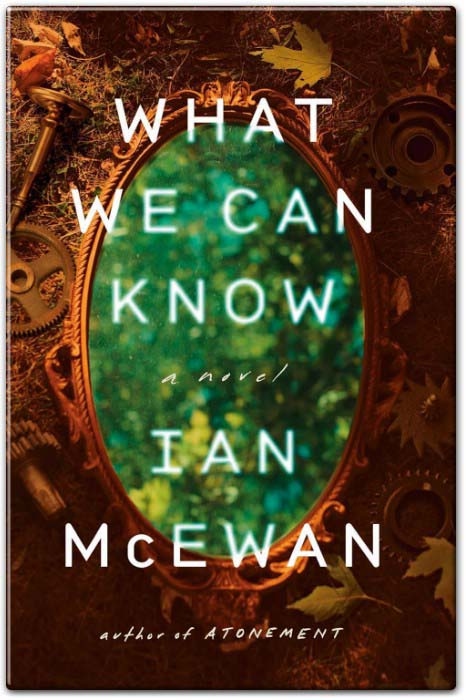
What We Can Know Summary: A Lost Masterpiece Unveiled
I’ve always felt a unique thrill when Ian McEwan releases a new novel, and What We Can Know is no exception. From the moment I opened its pages, I sensed a story that would confront me with both intellectual challenge and emotional resonance. Imagine a masterpiece lost to time, revered for generations, but built on a lie only one person knows—and that secret waits to unravel.
McEwan explores enormous questions: Can we ever truly know someone? How does guilt shape human behavior? In a post-catastrophe 22nd-century world, the remnants of the past collide with personal obsession, art, and memory.
The narrative spans from a 2014 dinner party—the infamous “Second Immortal Dinner”—to 2119, a flooded world struggling to preserve knowledge and culture. Through Thomas Metcalfe, a scholar obsessed with reconstructing a lost poem, I confronted these questions head-on.
His journey reveals that the celebrated poem A Corona for Vivien—once considered a cultural treasure—was born of personal sacrifice and betrayal. The book isn’t just a story; it’s a meditation on history, morality, and what it means to preserve truth over myth.
Read also:
TL;DR: Quick What We Can Know Summary ⚡
-
Core Idea: In the 22nd century, Thomas Metcalfe, a determined scholar, hunts a fabled poem, uncovering dark human truths beyond myth.
-
Main Conflict: Academic obsession clashes with personal betrayal, guilt, and ethical dilemmas surrounding a celebrated masterpiece.
-
Themes: Truth vs. illusion, love & sacrifice, environmental collapse, ethics of art, the burden of history.
-
Tone/Style: Literary, intellectually deep, emotionally engaging, blending mystery with philosophical reflection.
-
Target Audience: Fans of literary fiction, McEwan enthusiasts, readers of Atonement, Station Eleven, or Possession.
-
Comparison: Combines academic investigation like A.S. Byatt’s Possession, dystopian depth of Station Eleven, and McEwan’s moral intricacy.
-
Pros: Ingenious plot twists, rich philosophical undertones, exquisitely crafted prose, compelling human drama.
-
Cons: Slow pacing, dense archival detail, requires reader patience.
-
Recommendation & Rating: Highly recommended for lovers of thoughtful literary fiction. ⭐ 4.6/5
-
Author Background: Ian McEwan – Booker Prize-winning British novelist, acclaimed for moral complexity and narrative mastery.
10 Questions This Book Answers ❓
-
Can a work of art be morally great if built on a lie?
-
How far should a scholar go to uncover historical truth?
-
What is the cost of sacrificing personal ambition for love?
-
Can obsession with the past prevent living in the present?
-
How does guilt transform relationships and choices?
-
Does truth outweigh beauty in art?
-
Can love endure when bound by secrets and betrayal?
-
How do societies navigate catastrophic environmental collapse?
-
What defines the moral responsibility of the historian?
-
How do human stories persist beyond time and myth?
Book Details (For Embedding)
Publisher: Knopf
Publication Date: September 23, 2025
Edition: First Edition
Language: English
Print Length: 320 pages
ISBN-10: 0593804724
ISBN-13: 978-0593804728
Book Series: Standalone
Genres: Literary Fiction, Metafiction, Academic Mystery
Characters Analysis (Table)
| Character | Role & Evolution |
|---|---|
| Thomas Metcalfe | 22nd-century scholar; obsessed with lost poem; moves from historical romanticism to embracing present reality. |
| Vivien Blundy | Brilliance sacrificed for family and love; her confession drives moral truth of the story. |
| Francis Blundy | Talented poet, morally flawed; uses others’ lives for art; ego conflicts with ethical responsibility. |
| Rose Church | Tom’s partner; pragmatic anchor; embodies hope and present-focused life. |
| Percy Greene | Vivien’s first husband; symbol of genuine love and artistic simplicity; represents moral contrast to Francis. |
Themes Analysis (Table)
| Theme | Description |
|---|---|
| Truth vs. Artifice | Explores the tension between celebrated lies and painful truths. |
| Burden of the Past | Examines nostalgia, guilt, and historical obsession. |
| Love, Guilt, & Betrayal | Complex relationships shaped by sacrifice, secrecy, and moral compromise. |
| Environmental Collapse | Critique of 21st-century denialism; dystopian backdrop influences human decisions. |
| Ethics of Art | Raises questions about whether artistic brilliance excuses moral failures. |
Profound Life Lessons
-
Great art can be morally compromised; technical skill doesn’t equal ethical value.
-
Painful truth carries clarity that beauty cannot replicate.
-
Sacrifice born of love may create hidden resentment.
-
Romanticizing the past blinds us to harsh realities.
-
Genius does not justify moral neglect.
-
Destroying a false legacy can reclaim personal power.
-
Liberation requires turning from obsession with what’s lost.
-
Love is complex, intertwined with guilt and compromise.
-
Private guilt can drive action more than public recognition.
-
Our knowledge of history and others is always limited and subjective.
Plot Overview
Thomas Metcalfe, a scholar living in 2119, dedicates decades to investigating the 21st-century poet Francis Blundy. His obsession centers on the lost poem A Corona for Vivien, written for Blundy’s wife, Vivien.
Through meticulous archival research, Tom reconstructs the events of the 2014 “Second Immortal Dinner,” where the poem was first read and vanished. Simultaneously, he explores Vivien’s life, including her first marriage to Percy Greene, and the sacrifices she made supporting Francis.
The story alternates between Tom’s post-catastrophe reality and the historical investigation of the Blundys. Tension builds through ethical dilemmas, academic debate, and personal betrayal, culminating in an expedition to the now-flooded Blundy estate. The anticipated discovery of the poem transforms into Vivien’s handwritten confession, revealing the human cost behind artistic legend.
Symbolism & Motifs
| Symbol/Motif | Meaning |
|---|---|
| A Corona for Vivien | Represents myth, artistic fame, and morally complex legacy. |
| Percy’s Violin | Embodies genuine love, authenticity, and creative integrity. |
| The Inundation | Represents consequences of past actions, ecological and personal. |
| The Dairy | Vivien’s private sanctuary; site of confession and reclamation. |
Writing Style & Pacing
McEwan’s prose is meticulous, balancing clarity with emotional depth. Sentences are crafted with precision, requiring deliberate engagement. The pacing is slow but rewarding, layering historical detail with philosophical inquiry.
Comparison With Similar Books
-
Atonement by Ian McEwan – destructive power of lies and history’s rewriting.
-
Possession by A.S. Byatt – academic investigation into literary secrets.
-
Station Eleven by Emily St. John Mandel – post-apocalyptic reflection on art and memory.
-
Cloud Cuckoo Land by Anthony Doerr – interwoven narratives preserving stories across time.
My Verdict
What We Can Know is an extraordinary literary experience. It combines intellectual rigor, emotional resonance, and a profound moral inquiry. It is for readers who enjoy philosophical depth, meticulous prose, and stories that linger long after the final page. ⭐ 4.6/5
About the Author
Ian McEwan, born June 21, 1948, in Aldershot, England, is one of the most celebrated British novelists. A Booker Prize winner for Amsterdam, he is known for exploring moral ambiguity, human psychology, and the collision of private life with societal pressures. Notable works include Atonement, Saturday, and Enduring Love.
Frequently Asked Questions (FAQ)
What is What We Can Know about?
A 22nd-century scholar investigates a legendary lost poem, uncovering personal and historical truths that redefine his understanding of art and love.
Who is Thomas Metcalfe?
He is a post-catastrophe academic obsessed with the lost poem A Corona for Vivien, torn between history and present life.
What is the main theme?
The tension between truth and artifice, exploring morality, love, and historical legacy.
Is it a standalone book?
Yes, it is a standalone novel, not part of any series.
How does the book explore environmental collapse?
Through a flooded 22nd-century world, McEwan critiques past climate denial and human short-sightedness.
Who are the central characters?
Thomas Metcalfe, Vivien Blundy, Francis Blundy, Rose Church, and Percy Greene.
What lessons does it teach?
The book emphasizes honesty over aesthetic perfection, the burden of guilt, and moral responsibility in art.
How does it compare to Atonement?
Both explore the destructive power of lies, but What We Can Know incorporates a futuristic setting and dual timelines.
Where can I buy it?
Available on Amazon, in hardcover, ebook, and audiobook formats.
Who will enjoy this book?
Literary fiction readers, McEwan fans, and those intrigued by philosophical and post-apocalyptic narratives.
Conclusion: Why What We Can Know Demands Your Attention
Ian McEwan’s What We Can Know Summary is not just a story; it’s a profound exploration of truth, memory, and the human heart. Through the lens of Thomas Metcalfe’s 22nd-century quest, we confront the tension between myth and reality, art and morality, love and guilt. The novel reminds us that even the most celebrated creations can be built on personal sacrifice, secrets, and moral compromise—and that uncovering the truth often carries its own, bittersweet rewards.
This book challenges readers to ask themselves: How much of the past can we ever truly know? What lies beneath the stories we treasure? And how do our choices, ambitions, and loyalties shape the legacy we leave behind? McEwan doesn’t offer easy answers, but he crafts a narrative so compelling that reflection comes naturally, long after the last page is turned.
For those who crave literary sophistication, philosophical depth, and emotional resonance, What We Can Know is an essential read. Its intricate structure, morally complex characters, and unforgettable plot twists make it a masterpiece that lingers—intellectually and emotionally. Whether you are drawn to literary mysteries, post-apocalyptic settings, or stories that probe the human condition, this novel rewards patience, curiosity, and critical thought.
In short: it’s a journey into art, love, and the limits of knowledge—a book that challenges, illuminates, and stays with you. Dive in, and see what you can truly know.
⭐ My Rating: 4.6/5 – Thought-provoking, emotionally rich, and intellectually satisfying.