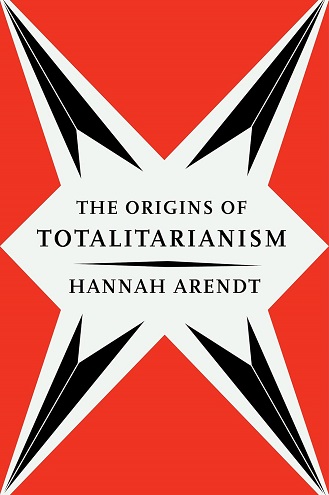
Hannah Arendt’s “The Origins of Totalitarianism” stands as a groundbreaking and deeply insightful analysis of one of the darkest political phenomena of the 20th century: totalitarianism. Published in 1951, this masterful book explores the rise and mechanics of two infamous regimes—Nazi Germany and Stalinist Russia—shedding light on how these governments rose to power and maintained control through fear, propaganda, and the destruction of individuality.
This article offers a profound summary of The Origins of Totalitarianism, highlighting its key themes, arguments, and why it remains essential reading today. If you want to grasp the roots and dangers of totalitarian rule, this summary will guide you through Arendt’s compelling narrative and sharp analysis.
Overview: What Is “The Origins of Totalitarianism” About?
In The Origins of Totalitarianism, Hannah Arendt dissects the historical, political, and social forces that paved the way for totalitarian regimes. She carefully distinguishes totalitarianism from other forms of oppressive government, emphasizing its unique nature characterized by an all-encompassing ideology, systematic terror, and the obliteration of personal freedoms.
The book is divided into three distinct but interconnected parts:
- Anti-Semitism: Arendt traces the growth of anti-Jewish sentiment in Europe, showing how centuries of prejudice created fertile ground for the Nazi regime’s genocidal policies.
- Imperialism: This section analyzes how European colonial expansion influenced political thought and sowed the seeds for totalitarian ambitions.
- Totalitarianism: The final and most detailed section exposes the inner workings of totalitarian regimes, explaining their use of propaganda, terror, and social isolation to dominate and reshape society.
Through these sections, Arendt warns that totalitarianism is not merely a historical artifact but a potential threat to freedom anywhere if left unchecked.
Key Arguments: How Does Arendt Explain Totalitarianism?
Arendt builds her thesis on several critical points:
- Historical Roots: Totalitarianism is not an isolated modern event; it emerges from specific historical developments, including imperialism and long-standing prejudices.
- Ideology as a Tool: Totalitarian states employ rigid ideologies to create a distorted worldview that justifies their control and violence.
- Culture of Fear: The regimes maintain power by instilling fear through violence and constant surveillance, ensuring obedience and compliance.
- Isolation and Control: By isolating individuals from community and mutual support, totalitarian systems weaken resistance and enforce conformity.
Her meticulous research and philosophical insight make these arguments enduringly relevant, offering a framework to understand political oppression in any era.
About Hannah Arendt: The Thinker Behind the Book
Hannah Arendt was a Jewish-German philosopher and political theorist born in 1906. She studied under prominent philosophers before fleeing Nazi Germany in 1933. Settling in the United States, Arendt dedicated her life to exploring themes of power, evil, and human rights. Her firsthand experience with totalitarianism gave her a unique voice and perspective that permeate her work.
Beyond The Origins of Totalitarianism, Arendt authored influential books such as The Human Condition and Eichmann in Jerusalem, cementing her legacy as one of the 20th century’s most important political thinkers.
Why “The Origins of Totalitarianism” Is a Must-Read
This book is celebrated worldwide for its exhaustive research and profound insights. Critics praise Arendt for connecting historical context with philosophical depth, making her work a crucial resource for students, historians, and anyone interested in the fragility of democracy.
Her writing balances intellectual rigor with accessibility, helping readers grasp complex ideas without losing emotional impact. The book’s warnings about unchecked power and propaganda resonate as strongly today as they did during the Cold War era.
Memorable Quotes from “The Origins of Totalitarianism”
Arendt’s prose is rich with striking observations that continue to inspire reflection:
- “Totalitarianism is not only hell but all the dream of paradise.” This quote encapsulates the paradox of totalitarian regimes—they promise utopia but deliver oppression and suffering.
- “The ideal subject of totalitarian rule is not the convinced Nazi or the devoted Communist, but people for whom the distinction between fact and fiction, true and false, no longer exists.” Here, Arendt highlights how eroding the concept of truth is central to totalitarian control, enabling manipulation on a massive scale.
These passages showcase Arendt’s ability to articulate complex realities with clarity and force.
Major Themes Explored in “The Origins of Totalitarianism”
The Destruction of Individual Freedom
Arendt vividly illustrates how totalitarian regimes obliterate the concept of individual autonomy, reducing people to mere instruments of the state’s ideology.
The Role of Ideology and Propaganda
The book explains how these governments craft comprehensive, rigid ideologies and use propaganda to rewrite reality, making resistance nearly impossible.
The Importance of Historical Awareness
Arendt urges readers to learn from history’s mistakes, emphasizing that understanding the conditions that led to totalitarianism is key to preventing its recurrence.
Conclusion: What Readers Can Take Away
The Origins of Totalitarianism is more than a historical study; it is a call to vigilance and critical thought. In a world still grappling with authoritarian tendencies, Arendt’s work reminds us that protecting freedom and human rights requires constant awareness, questioning authority, and valuing truth.
For anyone seeking a deeper understanding of political oppression and the mechanisms that threaten democracy, this book is indispensable.
If you want to explore more insightful book summaries like this, stay tuned for fresh content that enriches your knowledge and perspective.