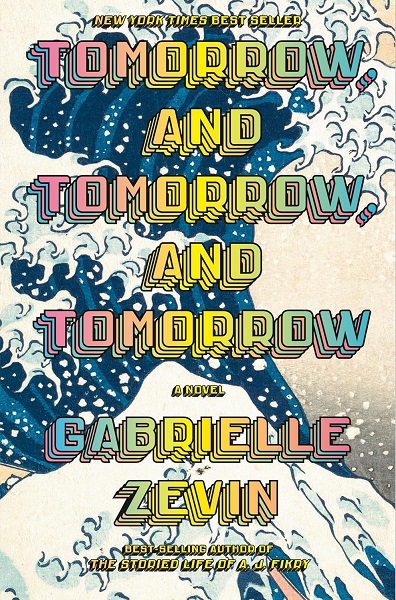
Gabrielle Zevin’s Tomorrow and Tomorrow and Tomorrow is a masterful exploration of creativity, friendship, ambition, and the passage of time. With emotional depth and intellectual nuance, Zevin crafts a story that resonates with readers across generations, examining how we create, connect, and cope through the art we make—and the people we meet along the way.
In this Tomorrow and Tomorrow and Tomorrow summary, we’ll explore the key plot points, themes, and emotional arcs of the novel, Whether you’re searching for a deep dive before reading or looking to reflect on the novel’s message, this 1000-word summary offers a thoughtful overview for book lovers and curious minds alike.
A Story Beyond Just a Game
Although centered around video game development, Tomorrow and Tomorrow and Tomorrow is not simply a book for gamers. It is a novel about relationships, identity, loss, and the long road of creativity. At its heart, it’s the story of two childhood friends—Sam Masur and Sadie Green—who reconnect in college and go on to build a creative empire through their collaborative video games.
The novel’s title, taken from Shakespeare’s Macbeth, reflects the themes of impermanence, the relentless march of time, and how we often relive the same emotional struggles in different forms.
Characters and Core Themes
Sam Masur
A brilliant but emotionally complex character, Sam is dealing with both physical and emotional scars. His early friendship with Sadie offers him a lifeline, and their shared love for games becomes a powerful foundation for their future.
Sadie Green
An equally talented game designer, Sadie is passionate and independent, yet struggles with validation and recognition. Her dynamic with Sam is central to the story—not romantic, but deeply intimate, complicated, and constantly evolving.
Marx Watanabe
Marx serves as a steadying presence and a crucial third figure in their creative journey. His optimism, business acumen, and emotional intelligence provide balance to Sam and Sadie’s stormy relationship.
Themes in the novel include:
- Creativity as survival: How art allows people to process trauma, express love, and build legacy.
- The complexity of friendship: Especially between creative collaborators.
- Fame and isolation: The toll success takes on relationships and personal identity.
- The illusion of do-overs: How life rarely gives us a true restart, but we often imagine what could’ve been.
Tomorrow and Tomorrow and Tomorrow Summary – Chapter Highlights
Chapters 1–2: Beginnings and Reunions
The novel opens with Sadie and Sam’s chance encounter in a college train station after years of not speaking. Through flashbacks, we learn how their childhood friendship began in a hospital waiting room. Both children were going through difficult times—Sadie visiting her sister in treatment, Sam recovering from a traumatic accident. A shared love for video games becomes the language of their early bond.
Their reunion in college reignites a creative spark, and they begin to design a game together—a passion project that becomes far more influential than they could imagine.
Chapters 3–5: Building Worlds
Their first game, Ichigo, is a massive success, launching them into the gaming spotlight. But success comes with a cost. Sadie feels increasingly overshadowed by Sam’s charisma and public appeal, while Sam struggles with physical pain and the emotional distance in their partnership.
Zevin explores how success can fracture even the strongest bonds when validation, ownership, and ego get in the way. Sadie longs for creative autonomy, while Sam yearns for deeper connection.
Chapters 6–8: Isolation and Identity
Fame and fortune bring not only professional strain but also personal isolation. Sadie begins a romantic relationship with another game developer, leading to creative tensions and further distance from Sam. Meanwhile, Marx tries to mediate between them, keeping their company—and friendship—afloat.
This part of the novel delves deeply into the emotional toll of being a creator in the public eye. Sadie and Sam both wrestle with imposter syndrome, the burden of expectations, and the loneliness that often comes with being misunderstood, even by those closest to you.
Chapters 9–10: Tragedy and Rebuilding
A sudden, devastating act of violence changes everything. Marx’s death—a pivotal moment in the book—forces both Sam and Sadie to confront their past choices, their grief, and what their work has truly meant. Their ability to communicate through creative collaboration is tested more than ever.
Sam, dealing with intense guilt and loss, becomes even more reclusive, while Sadie finds herself in a fog of disconnection and grief. The game they were building becomes both a burden and a way back to each other.
Chapters 11–12: The Power of Play and Imagination
Despite everything, the creative bond between Sadie and Sam slowly begins to heal. They collaborate on a new project that reflects their journey—pain, regret, joy, and the quiet hope of renewal. It’s a game about multiple lives, alternate paths, and the idea that even if we can’t go back, we can begin again in different ways.
The novel ends not with a definitive resolution, but with a quiet, beautiful acceptance: that while life can’t offer a true “restart,” it does offer endless tomorrows—new chances to create, to connect, and to forgive.
Final Reflection: What Makes Tomorrow and Tomorrow and Tomorrow So Powerful?
Gabrielle Zevin’s Tomorrow and Tomorrow and Tomorrow is a profound meditation on what it means to be human in a digital world. The story reminds us that while technology and games are often seen as escapes, they are also tools of meaning, empathy, and expression.
This is not just a story about games or gamers—it’s a story about creation, connection, and the cost of ambition. The dynamic between Sam and Sadie is refreshingly platonic yet emotionally charged, challenging the reader’s expectations of what love and partnership can look like.
Who Should Read Tomorrow and Tomorrow and Tomorrow?
- Writers, artists, and creators exploring the emotional complexities of collaboration.
- Gamers and developers who understand the transformative power of interactive storytelling.
- Readers interested in mental health, grief, and human connection in a technology-driven world.
- Anyone who has ever wondered: What if I’d made a different choice? Would it have changed everything?
Conclusion: Tomorrow and Tomorrow and Tomorrow Summary
This Tomorrow and Tomorrow and Tomorrow summary has explored the core plot, emotional arcs, and themes of Gabrielle Zevin’s brilliant novel. Rich with character depth, emotional nuance, and reflections on creativity and loss, the book leaves readers with a lingering message: Life may not come with reset buttons, but imagination allows us infinite tomorrows.
It’s a novel that speaks to artists, dreamers, and anyone who’s ever created something out of pain, love, or hope. If you’re searching for a story that lingers long after the final page, Tomorrow and Tomorrow and Tomorrow is one to treasure.