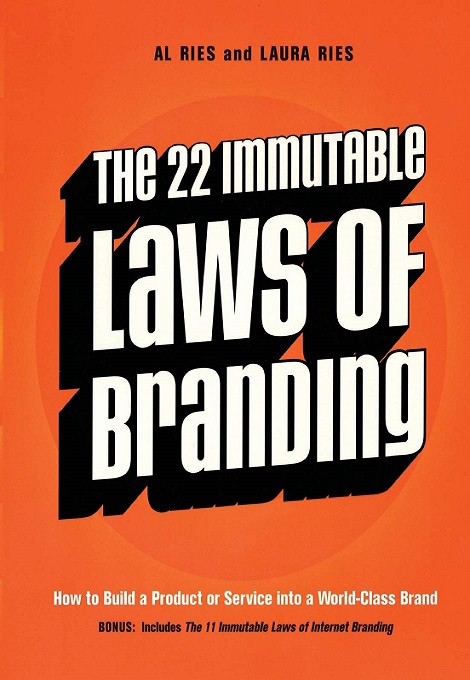
In a crowded and fast-paced marketplace, a powerful brand is the one thing that can truly set a business apart. The 22 Immutable Laws of Branding by Al Ries and Laura Ries is a foundational guide that distills decades of marketing wisdom into a blueprint for long-term branding success.
The 22 Immutable Laws of Branding Summary unpacks the key lessons from the book, revealing what it takes to establish a brand that sticks in the minds of consumers and stands the test of time.
What Is The 22 Immutable Laws of Branding About?
This branding classic outlines 22 strategic “laws” that govern how brands succeed—or fail. These laws aren’t trendy tips or passing fads; they’re deeply rooted in human psychology and real-world business results. Through real brand examples like Coca-Cola, Volvo, Domino’s, and more, the authors demonstrate how brands grow powerful through focus, consistency, credibility, and perception.
Whether you’re building a personal brand, launching a startup, or scaling a global company, this book is your roadmap to branding success.
Core Message: Branding Is About Owning a Singular Idea
At its core, branding is not just about logos, colors, or slogans—it’s about planting one powerful idea in the minds of customers. The authors emphasize that the best brands don’t try to be everything to everyone. Instead, they become unforgettable by focusing on one defining attribute.
“A successful brand is based on singularity, creating in the mind of the prospect the perception that there is no product on the market quite like your product.”
Highlights from the 22 Immutable Laws
1. The Law of Expansion
Trying to appeal to everyone dilutes your brand. Focus is power. Broadening your offerings can weaken your position, as seen with Chevrolet, which lost market dominance by trying to be everything to everyone.
2. The Law of Contraction
Narrowing your focus strengthens your brand. Subway’s commitment to submarine sandwiches helped it become a dominant fast-food chain by mastering a single product.
3. The Law of Publicity
New brands are born through publicity, not advertising. Media buzz is more credible than company promotions and is essential during the launch phase.
4. The Law of Advertising
After the launch, consistent advertising sustains and defends your brand’s position. Advertising supports long-term growth once your brand is established.
5. The Law of the Word
The goal is to “own” one word in the consumer’s mind—think “safety” for Volvo. When you dominate a word, you dominate a category.
6. The Law of Credentials
Authenticity builds trust. Coca-Cola’s famous slogan, “The real thing,” reminded customers that it was the original and most credible cola brand.
7. The Law of Quality
Quality matters, but perception is more powerful. Higher prices, better names, and niche positioning create the appearance of superior quality.
8. The Law of Category
Don’t compete—create. Rather than launching a better pizza chain, Domino’s dominated by being first in “pizza delivery in 30 minutes.”
9. The Law of the Name
A brand is only as strong as its name. Over time, brand identity fades, and what remains is your name’s strength in the consumer’s mind.
10. The Law of Extensions
Overextending your brand across too many products can confuse customers. If you need to launch a different product, launch a new brand.
11. The Law of Fellowship
Competitors legitimize a category. If you’re the only brand, people get suspicious. Competition increases customer trust and market size.
12. The Law of the Generic
Generic names kill brand identity. Unique names like “Blockbuster” create memorability, while names like “General Video Rental” are quickly forgotten.
13. The Law of the Company
Consumers buy brands, not companies. Keep your corporate name in the background and let your brand take center stage.
14. The Law of Sub-Brands
Sub-branding often weakens the parent brand. Holiday Inn’s attempt to diversify with multiple sub-brands diluted its original identity.
15. The Law of Siblings
Launching a second brand? Make sure it’s completely distinct. Sibling brands should have different identities, not share a family resemblance.
16. The Law of Shape
Design matters. A horizontal logotype fits the natural shape of human vision. Logos should be clear, simple, and memorable at a glance.
17. The Law of Color
Stand out by choosing a brand color opposite of your competitor. This visual contrast builds instant recognition and brand differentiation.
18. The Law of Borders
Great brands transcend geography. Global branding is possible when your brand taps into universal values or trends—like Corona aligning with the rise of Mexican cuisine globally.
19. The Law of Consistency
Branding is a long game. Changing your image frequently undermines trust. Strong brands stay true to their core identity over decades.
20. The Law of Change
Change is sometimes necessary, but it must be handled with extreme care. If you already own a clear position in the market, think twice before shifting it.
21. The Law of Mortality
No brand lasts forever. When your brand no longer serves its market, let it die with dignity and focus on creating the next big thing.
22. The Law of Singularity
The ultimate law: a brand should stand for one thing. Simplicity and clarity beat complexity and ambiguity every time.
Real-World Examples That Make the Lessons Stick
Throughout the book, Ries and Ries use well-known brands to demonstrate these laws in action. From Coca-Cola’s “real thing” authenticity to Volvo’s dominance in “safety,” readers see how iconic brands leverage these immutable rules to gain and maintain leadership in their markets.
They also highlight branding missteps—like companies overextending their product lines or choosing weak brand names—that led to lost identity and consumer confusion.
Why This Book Matters Today
In the age of digital saturation, personal brands, and influencer marketing, The 22 Immutable Laws of Branding remains more relevant than ever. Whether you’re building a SaaS platform, launching a direct-to-consumer skincare line, or growing a YouTube channel, these branding laws apply universally.
This book cuts through fluff and delivers actionable insights that any entrepreneur, marketer, or business owner can apply immediately. It’s a clear reminder that branding is not about being trendy—it’s about being unforgettable.
Who Should Read The 22 Immutable Laws of Branding?
This book is a must-read for:
- Entrepreneurs and startups seeking to carve out a niche
- Marketing professionals looking to refine brand strategy
- Content creators and influencers aiming to build lasting personal brands
- Business owners interested in brand positioning and identity
- Students of marketing who want a timeless, foundational guide
Final Thoughts: Branding Is a Battle of Perception
The 22 Immutable Laws of Branding teaches that successful brands don’t win by doing more. They win by doing less, with laser focus. Branding is about perception—not features, pricing, or size. And once you understand these laws, you can stop chasing trends and start building something truly iconic.
In today’s oversaturated world, brand clarity is your competitive edge. Focus on what makes you different, stick to it consistently, and own your category.
This concludes our detailed The 22 Immutable Laws of Branding Summary—a strategic playbook that has stood the test of time and continues to shape how world-class brands are built.