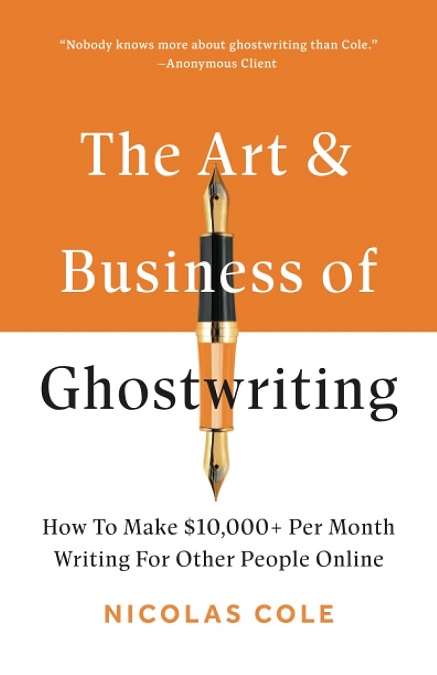
In the digital age, authority is currency—and ghostwriting is one of the most powerful vehicles for building that authority. In The Art & Business of Ghostwriting, Nicolas Cole pulls back the curtain on a profession often hidden from the spotlight. He doesn’t just share how to write for others—he redefines what ghostwriting really is: a blend of strategic thinking, brand building, and business savvy.
This The Art & Business of Ghostwriting Summary is a 1000-word breakdown that explores the book’s biggest takeaways and how they can help aspiring writers turn their craft into a six-figure business. we’ll cover the key ideas that make this a must-read for anyone interested in writing professionally, growing personal brands, or becoming an indispensable thought partner to top-tier clients.
Ghostwriting: More Than Just Writing
At its core, Cole explains that ghostwriting is not about stringing together pretty sentences. It’s about helping busy professionals clarify their thoughts and share their expertise in ways that resonate with a target audience. Ghostwriters are not just wordsmiths—they’re collaborators, editors, and strategic advisors.
Rather than writing on behalf of just anyone, great ghostwriters work with clients who already have something valuable to say but lack the time or skill to express it well. Your role, as Cole frames it, is to take that knowledge, refine it, and shape it into thought leadership content that builds trust, earns visibility, and drives growth.
Big Idea #1: Ghostwriting Is About Thinking, Not Just Writing
Most people imagine ghostwriters as behind-the-scenes scribes. But Cole emphasizes a deeper, more strategic role. A ghostwriter’s primary job isn’t to simply write—it’s to think with their clients. That means:
- Extracting meaningful insights from conversations.
- Helping clients frame ideas in digestible, persuasive ways.
- Challenging weak arguments and clarifying vague thoughts.
Clients often come to ghostwriters with jumbled concepts, half-formed anecdotes, or streams of consciousness. Your job is to cut through the clutter and reveal the core message.
When you master the ability to sharpen thinking and create clarity, you become far more than a writer—you become a trusted partner. And that’s where real value lies.
Big Idea #2: Niche Expertise = Premium Rates
In The Art & Business of Ghostwriting, Cole makes a compelling argument for specialization. One of the most common mistakes new ghostwriters make is trying to write for everyone. The generalist approach might seem safe, but it often results in lower pay and less recognition.
Cole urges writers to position themselves as experts in a specific niche. For example:
- A LinkedIn ghostwriter for corporate executives
- A thought leadership writer for SaaS founders
- A speechwriter for motivational speakers
- A Twitter ghostwriter for tech influencers
Why does this work? Because specialists understand the nuances, language, audience expectations, and strategic goals of a particular industry. Clients are more likely to trust someone who “gets” their world—and they’re willing to pay more for that expertise.
Moreover, niching down allows you to develop repeatable systems, faster workflows, and deeper authority—all of which compound your income over time.
Big Idea #3: Ghostwriting Pays You to Grow
One of the unique advantages of ghostwriting is that it’s a paid education. As a ghostwriter, you get direct access to high-performing professionals, entrepreneurs, and thought leaders across industries. You learn by osmosis—absorbing their knowledge, habits, and mindsets.
But Cole emphasizes this opportunity is only as valuable as what you do with it. Don’t just complete the assignment and move on. Instead:
- Build lasting relationships with your clients.
- Learn their frameworks, stories, and industry trends.
- Leverage those lessons to grow your own expertise and business.
In many cases, ghostwriting can become a gateway to future ventures—whether it’s consulting, launching your own brand, or partnering with clients on content-driven projects. Think long-term. You’re not just being paid to write; you’re being paid to learn and network.
Big Idea #4: Ghostwriting Is Personal, Freelancing Is Corporate
Cole makes a sharp distinction between traditional freelance writing and ghostwriting. Freelancers often serve brands—creating marketing copy, blogs, or SEO content. Ghostwriters, however, serve people—usually influential individuals who want to establish authority.
Here’s why that difference matters:
- Personal brand content carries more emotional weight.
- Thought leaders are willing to invest heavily in their public image.
- Ghostwriting relationships are often deeper, longer-term, and higher-paying.
Companies often view content as a budget line item. But for individuals—especially CEOs, investors, or founders—content is reputation. Ghostwriters help these people articulate their vision and values, which has a direct impact on their credibility and career trajectory.
If you want to earn more as a writer, Cole’s advice is clear: stop selling content. Start building influence—for others and for yourself.
Big Idea #5: Write for Yourself First
Cole’s final and perhaps most urgent piece of advice is this: you have to write for yourself. Many aspiring ghostwriters think they can stay hidden and still thrive. But in reality, the highest-paid ghostwriters are often the ones who actively write and publish under their own names.
Here’s why writing for yourself is critical:
- It showcases your ability to write well and think clearly.
- It helps you attract better clients who respect your voice.
- It gives you a platform to test new ideas before using them for others.
Whether it’s a Substack newsletter, a blog, or a Twitter/X presence, writing for yourself builds trust. Clients want to see that you know how to create engaging, insightful content—not just for them, but for your own brand.
As Cole puts it, you can’t sell authority if you don’t embody it.
Who Should Read The Art & Business of Ghostwriting?
This book is tailor-made for:
- Freelance writers ready to level up into more strategic, high-paying work.
- Content marketers looking to focus on personal branding.
- Entrepreneurs who want to monetize their writing skills.
- Aspiring ghostwriters curious about how to break into the field and succeed long-term.
- Professional communicators interested in becoming thinking partners, not just typists.
Cole writes from the perspective of someone who’s built a thriving ghostwriting career. His advice is honest, actionable, and free from fluff. If you’re serious about turning your writing into a meaningful business, this book is essential.
Final Thoughts: Becoming a Trusted Authority Builder
The Art & Business of Ghostwriting is a powerful reminder that the most valuable writing happens behind the scenes. But just because ghostwriters remain out of the spotlight doesn’t mean their impact is small. In fact, it’s the opposite.
Ghostwriters help shape the ideas, voices, and reputations of the world’s most influential people. As Cole explains, it’s not about invisibility—it’s about strategic influence. If you can master the art of thought refinement, specialize deeply, build your own brand, and treat ghostwriting as a long-term business, you can turn this craft into a high-income, high-impact career.