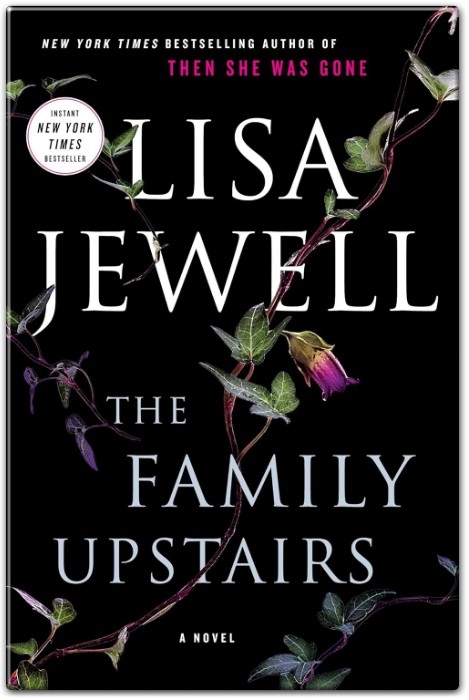
Introduction to The Family Upstairs Summary: A Gripping Tale of Secrets and Betrayal
What happens when a hidden past comes knocking in the form of a grand inheritance? Lisa Jewell’s The Family Upstairs unravels a chilling psychological thriller built on mystery, trauma, and long-buried family secrets. Centered around a mysterious Chelsea mansion, the novel follows the lives of three key characters—Libby, Lucy, and Henry—each grappling with the ghosts of a twisted past. This The Family Upstairs Summary provides a deep dive into the storyline, themes, and characters, making it an ideal read for fans of dark domestic thrillers.
Quick Summary
- Genre: Psychological Thriller
- Rating: 5/5 – Riveting and masterfully constructed
- Audience: Readers who enjoy intricate narratives with unreliable narrators
- Main Keyword: The Family Upstairs Summary
One-Sentence Hook: A young woman inherits a house and discovers it’s the site of a horrifying past involving cult-like control, multiple deaths, and a stolen identity.
About the Author – Lisa Jewell
Lisa Jewell is a bestselling British novelist celebrated for her mastery of psychological suspense and emotional depth. From Then She Was Gone to Watching You, her work often explores the dark complexities of familial relationships. With over 2 million books sold worldwide, Jewell is a staple name in domestic thrillers.
Main Characters in The Family Upstairs
- Libby Jones (Serenity Lamb): The 25-year-old protagonist who inherits the Chelsea mansion and uncovers her disturbing origins.
- Henry Lamb Jr.: Libby’s uncle, whose obsession with Phin and disturbing past actions shape the story’s sinister core.
- Lucy Lamb (Lucy Smith): Libby’s biological mother, who fled an abusive environment and struggles to reconnect with her daughter.
- Phin Thomsen: Son of David and Sally Thomsen, a mysterious figure whose identity is key to unraveling the past.
- David Thomsen: Antagonist and manipulative cult leader who psychologically and physically abused the family.
- Miller Roe: Investigative journalist who aids Libby in discovering the truth.
Thematic Analysis
| Theme | Description |
|---|---|
| Identity | Libby’s journey is a revelation of her past and the truth behind her birth. |
| Abuse and Trauma | The novel deeply explores emotional and physical abuse at the hands of David Thomsen. |
| Family Dysfunction | The Lamb family embodies secrecy, betrayal, and control. |
| Control vs. Freedom | The characters’ battle to reclaim their autonomy underlines the entire plot. |
| Secrets and Lies | The mansion symbolizes the weight of generational lies and unspoken truths. |
The Family Upstairs Summary & Plot Breakdown
Part I – The Inheritance & Discovery Libby turns 25 and learns she’s inherited a mansion in Chelsea, where 25 years ago, three adults were found dead, and a baby was rescued. That baby is Libby. With journalist Miller Roe, she sets out to uncover the horrifying events of her past.
Part II – Past Unraveled through Henry’s Eyes Henry’s recollections reveal the slow, terrifying takeover of the Lamb family’s home by David Thomsen. Manipulation, starvation, and cult-like control unfold, culminating in Henry’s poisoning of the adults and the faking of a suicide pact.
Part III – Escape and Reckoning Lucy, having escaped with Phin, returns to London with her children. Libby meets a man claiming to be Phin—who is actually Henry in disguise. The truth about Libby’s parentage and the staged suicides is finally exposed. Lucy and Libby reunite, selling the mansion to start anew.
Major Twists & Spoilers
- Henry impersonates Phin, altering his appearance to deceive Libby.
- Libby is the product of rape, conceived when 14-year-old Lucy was abused by David.
- The deaths were murders, not suicides—Henry poisoned the adults.
Chapter-by-Chapter Highlights
- Prologue–Chapter 10: Libby learns of her inheritance. Lucy’s life in France is crumbling. Henry’s POV introduces the sinister history of 16 Cheyne Walk.
- Ch. 11–20: Lucy confronts her past. Henry describes David’s rising influence. Libby begins to investigate the mansion’s history.
- Ch. 21–40: Tension escalates as Libby and Miller uncover unsettling evidence. Henry’s recounting grows darker, culminating in full psychological control by David.
- Ch. 41–60: Libby meets the fake Phin. Lucy kills her abusive ex, escapes France, and returns to the UK. The trio confronts their pasts.
- Ch. 61–69: The full truth comes out—Libby’s parentage, Henry’s crimes, and Phin’s fate in Africa. Lucy and Libby reunite. A year later, healing has begun.
Final Analysis: Why Read The Family Upstairs?
Lisa Jewell crafts a layered thriller that plays with time, narration, and psychological tension. The mansion is more than a setting—it’s a character, holding the trauma and darkness of the past. Jewell’s use of unreliable narrators, especially Henry, injects complexity and ambiguity, enhancing the suspense.
Readers will be gripped by the slow reveal of truths, the fractured but resilient familial bonds, and the eerie, gothic atmosphere. The Family Upstairs is a masterclass in suspenseful storytelling.
Conclusion
This The Family Upstairs Summary offers a complete and SEO-optimized review for thriller fans and readers seeking insight into Lisa Jewell’s chilling narrative. Whether you’ve read the book or are just discovering it, this guide captures its core—the trauma of secrets, the struggle for truth, and the power of reclaiming identity.
Looking for more gripping psychological thrillers? Explore summaries of The Silent Patient, Sharp Objects, and Gone Girl for equally mind-bending journeys.
Share This Summary If this The Family Upstairs Summary helped you revisit or understand the novel, share it with fellow readers and support Lisa Jewell by exploring more of her works.