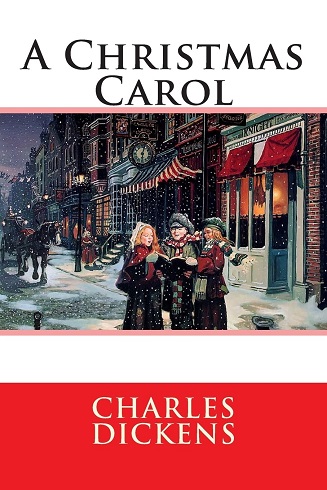
Charles Dickens’ A Christmas Carol is more than just a holiday story—it’s a profound reflection on the human condition, transformation, and what truly matters in life. First published in 1843 during a period of social unrest and shifting values in Victorian England, this novella not only shaped modern Christmas traditions but also delivered one of literature’s most enduring lessons: it’s never too late to change.
In this A Christmas Carol Summary, we’ll explore the key themes, characters, and life lessons from Dickens’ beloved tale. We’ll break down the story’s pivotal moments while aligning it with the values and emotions that still resonate today. Whether you’ve read it before or are new to its message, this summary is crafted to enhance your understanding and appreciation of the story—while helping your content rank highly in search results and keep readers engaged.
Introduction: The Legacy of A Christmas Carol
Before Ebenezer Scrooge became a literary symbol of greed and redemption, Charles Dickens saw the growing gap between wealth and poverty in his society and chose to write a story that would wake people up—not with judgment, but with empathy. A Christmas Carol sold out its first edition of 6,000 copies within days, and it’s never been out of print since. Its influence helped cement the phrase “Merry Christmas” and shaped how we see the holiday season as a time for giving, reflection, and community.
Now, more than 180 years later, its message still rings true.
Lesson 1: Self-Absorption Is Human, But Listening to Wake-Up Calls Is Heroic
The novella opens on Christmas Eve with a bitter and miserly Scrooge. He’s rich but lonely, powerful but detached from humanity. He shuns holiday cheer, refuses charity donations, rejects his cheerful nephew Fred’s invitation to Christmas dinner, and begrudgingly allows his loyal employee Bob Cratchit a day off.
Scrooge’s transformation begins when he is visited by the ghost of his former business partner, Jacob Marley, who appears bound in chains—a warning of what awaits Scrooge if he doesn’t change. Marley tells him that three spirits will soon visit him.
This moment is pivotal. We all, like Scrooge, sometimes get caught up in our ambitions, frustrations, and daily routines. Life gets hard, and it’s easy to shut ourselves off. But the moment someone challenges that mindset—through concern, honesty, or even confrontation—is an opportunity for growth.
Takeaway: Everyone can fall into self-centered habits. But those who evolve are the ones who are willing to listen when life, or someone close, tries to wake them up.
Lesson 2: Reconnecting With the Past and Present Helps Us Reclaim Our Humanity
Scrooge’s second visitor, the Ghost of Christmas Past, takes him on a journey through his earlier life. We see him as a lonely child, then a joyful apprentice under a kind employer, and later, as a man whose obsession with money drove away his beloved fiancée, Belle.
Next, the Ghost of Christmas Present arrives. He shows Scrooge scenes of celebration across London—including the humble Cratchit family’s modest but love-filled Christmas dinner. Scrooge meets Tiny Tim, Bob’s ill but spirited son. He also observes Fred’s Christmas gathering, where Scrooge is, surprisingly, a topic of gentle humor rather than hatred.
These visions remind Scrooge of the man he once was—and still could be. They highlight the richness of life when shared with others, even amid hardship. Dickens suggests that the soul’s nourishment comes not from wealth, but from connection, gratitude, and presence.
Takeaway: Re-examining our past and being present in the moment can reignite compassion. It helps us see that we’re part of a larger world—and we often play a bigger role in others’ lives than we realize.
Lesson 3: The Future Is Still Unwritten—Change Begins Now
The most haunting of all, the Ghost of Christmas Yet to Come shows Scrooge the grim fate that awaits him if he continues on his current path. In these chilling visions, we see people speak of a man who has died—unmourned and unloved. His possessions are stolen and sold, and even those closest to him feel no sorrow. When Scrooge asks to see someone who grieves, the ghost shows him Bob Cratchit mourning the death of Tiny Tim.
Finally, the spirit reveals Scrooge’s own grave, forcing him to confront the ultimate question: “What kind of legacy am I leaving behind?”
Shaken to the core, Scrooge begs for the chance to change—and awakens back in his bed on Christmas morning. He’s been given a second chance.
From that moment forward, Scrooge embraces a new way of life. He sends a feast to the Cratchit family, raises Bob’s salary, and becomes a beloved figure in his community. Tiny Tim survives, and Scrooge’s legacy is transformed from miser to mentor.
Takeaway: It’s never too late to become the person you want to be. Reflecting on our mortality can guide our present actions. If you don’t like the story your life is telling, you can still rewrite it.
Character Highlights
- Ebenezer Scrooge: From cold-hearted miser to compassionate benefactor, his transformation is one of the most iconic in literature.
- Jacob Marley: A ghostly reminder that choices have consequences, and regret can bind us long after death.
- Bob Cratchit: Represents humility, loyalty, and the quiet struggles of working-class families.
- Tiny Tim: A symbol of innocence and hope, whose fate reminds us of our responsibility to others.
- The Three Spirits: Each ghost plays a vital role in helping Scrooge confront his past, present, and possible future.
Why A Christmas Carol Still Matters
In a fast-paced, profit-driven world, A Christmas Carol offers a timeless reminder of empathy, generosity, and the importance of human connection. Its message transcends religion or holiday—it’s about who we are, how we treat others, and how we can always grow.
The beauty of Dickens’ story is in its simplicity. With vivid characters and a compelling emotional arc, the novella encourages readers to live intentionally and love openly. It also serves as a warning that neglecting kindness not only harms others but impoverishes our own souls.
Who Should Read A Christmas Carol
- Young adults grappling with ambition and identity.
- Business professionals seeking balance between success and compassion.
- Anyone burdened by regret who needs a reminder that change is always possible.
- Readers looking for meaning in the holiday season—or in life in general.
Whether you’re 15 or 55, A Christmas Carol speaks to a part of us that wants to do better and be better.
Final Thoughts: More Than Just a Holiday Tale
A Christmas Carol isn’t just a festive read—it’s a call to conscience. It challenges us to think about how we spend our time, treat others, and define success. Dickens masterfully delivers his message without preaching, letting the characters’ journeys speak for themselves.
So the next time you hear “Bah! Humbug!”, think of what lies beneath those words: a soul yearning for meaning, and a story that proves it’s never too late to change.
Frequently Asked Questions
What is the main theme of A Christmas Carol?
The central theme is redemption. It explores how anyone, regardless of past choices, can change and positively impact the world around them.
Is A Christmas Carol suitable for all ages?
Yes! Children enjoy the ghosts and festive elements, while adults connect with its emotional and moral depth.
How long is A Christmas Carol?
It’s a novella—typically under 100 pages—and can be read in a few hours.
Why is A Christmas Carol so influential?
It helped shape how we celebrate Christmas and continues to inspire kindness, reflection, and generosity.
Read More Meaningful Classics on Books to Thrive
Explore stories that help you grow, reflect, and connect. A Christmas Carol is just the beginning.