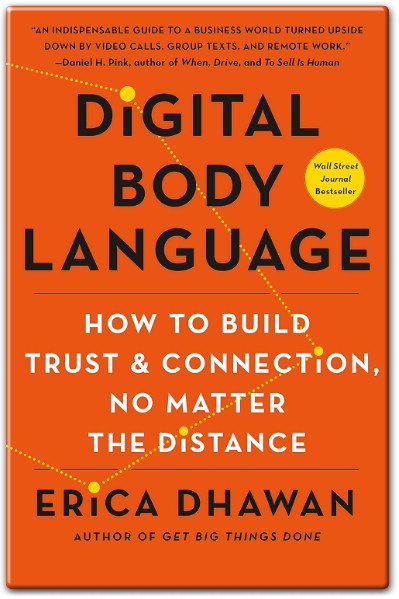
In an increasingly virtual world, mastering how to communicate clearly and empathetically through digital channels is essential. Erica Dhawan’s groundbreaking book, Digital Body Language: How to Build Trust and Connection No Matter the Distance, introduces a powerful concept that redefines how we interact in remote settings. This Digital Body Language summary dives deep into Dhawan’s core ideas, key takeaways, and practical strategies, making it a must-read for anyone striving to improve communication, collaboration, and trust in the digital age.
Understanding Digital Body Language: The New Communication Frontier
Erica Dhawan coins the term “digital body language” to describe the subtle signals and cues we send through emails, texts, video calls, and other virtual platforms. Unlike traditional body language—facial expressions, gestures, tone of voice—digital body language translates these nonverbal signals into written and behavioral forms online.
In Part One of the book, Dhawan explains that poor digital communication is a leading cause of misunderstandings, decreased morale, and lost productivity in organizations. The lack of face-to-face cues often causes stress and anxiety, as messages are easily misread. For example, delayed responses or curt emails can unintentionally create friction or distrust.
Dhawan urges readers to become mindful of clarity, empathy, and respect in every digital interaction. From choosing words carefully to understanding the timing and tone behind messages, mastering digital body language helps professionals bridge gaps and build stronger relationships—even when miles apart.
The Four Laws of Digital Body Language: A Framework for Connection
A cornerstone of the book is Dhawan’s introduction of the Four Laws of Digital Body Language, which provide a practical framework to enhance communication and foster trust within remote teams:
1. Value Visibly
Acknowledging others is crucial in virtual environments where physical presence is absent. Simple acts like timely responses, giving credit publicly, or expressing appreciation openly demonstrate respect and visibility. Dhawan stresses that feeling seen digitally motivates team members and strengthens bonds.
2. Communicate Carefully
Every word counts when tone and body language are missing. Clear, concise, and deliberate language reduces ambiguity and potential conflicts. Avoiding jargon, proofreading messages, and considering how words may be interpreted help prevent misunderstandings and ensure effective communication.
3. Collaborate Confidently
Digital collaboration requires intentionality. Structured workflows, consistent check-ins, and transparent feedback loops enable teams to work confidently together. Dhawan emphasizes that proactive engagement and maintaining open lines of communication promote productivity and prevent disengagement.
4. Trust Totally
Trust forms the foundation of any successful team, especially when remote. Dhawan advocates for fostering an environment of openness where team members feel safe to voice opinions and concerns. Leaders should model reliability and transparency to nurture authentic connections and innovation.
Each law is supported by real-world examples and actionable tips, making these principles practical for individuals and organizations looking to thrive in the digital workplace.
Navigating Differences: Gender, Generations, and Culture
Part Three of Digital Body Language addresses how communication styles vary across gender, generational lines, and cultural backgrounds—critical factors in today’s diverse workspaces.
- Gender: Dhawan notes that men may favor more direct, task-oriented digital messages, while women often use emojis, exclamation marks, and expressive language to build rapport and friendliness.
- Generations: Younger employees accustomed to texting and social media might communicate informally and quickly, sometimes clashing with older generations who prefer formal, measured interactions.
- Culture: Cultural norms influence how people perceive politeness, urgency, and tone. What seems straightforward in one culture could be interpreted as abrupt or overly formal in another.
Dhawan advises cultivating awareness and adopting inclusive digital habits like active listening, thoughtful phrasing, and mindful timing to minimize miscommunication and promote harmony.
Why Digital Body Language Matters Today
The rise of remote and hybrid work models has made Digital Body Language more relevant than ever. With fewer in-person meetings and more reliance on written or video communication, the ability to express clarity, empathy, and respect digitally is key to building lasting professional relationships.
As Dhawan succinctly puts it, “Digital body language is the new handshake in our modern world.” This metaphor captures how essential it is to convey intention beyond words—to build trust byte by byte.
Misreading digital cues can cause unnecessary conflicts or feelings of isolation. By mastering digital body language, teams can enhance morale, boost productivity, and create a more inclusive and connected work culture.
Notable Quotes from Digital Body Language
Erica Dhawan’s insights offer profound lessons that resonate well beyond the workplace:
- “Your words may be clear, but your intentions need to be clearer.”
- “Empathy isn’t just spoken; in the digital world, it’s shown through responsiveness.”
- “Trust is built in bytes – every interaction contributes to connection or distance.”
- “In a world where face-to-face is rare, let your digital body language speak volumes.”
These statements highlight how intention, responsiveness, and thoughtful communication are the pillars of digital connection.
About Erica Dhawan
Erica Dhawan is a globally recognized expert in leadership and digital communication. Her work focuses on helping organizations navigate the evolving landscape of remote teamwork by fostering connection and trust.
With a background in organizational psychology and leadership, Dhawan has advised Fortune 500 companies and spoken at international conferences on connectional intelligence—the ability to connect ideas, people, and resources effectively in the digital age.
Her multicultural upbringing and professional expertise uniquely position her to address the nuances of communication across different cultures, generations, and genders, making Digital Body Language a vital guide for modern professionals.
Final Thoughts: Why You Should Read Digital Body Language
If you’re working remotely, managing a virtual team, or simply want to enhance your digital communication skills, Digital Body Language summary offers invaluable insights and practical advice. The book teaches readers how to:
- Recognize and interpret digital cues accurately
- Avoid common pitfalls that lead to misunderstandings
- Foster empathy, respect, and trust virtually
- Adapt communication to diverse teams and contexts
Erica Dhawan’s clear framework and relatable examples make this book a blueprint for anyone eager to excel in remote work environments and build meaningful digital relationships.
Digital Body Language summary is more than a communication manual; it’s a vital roadmap for thriving in today’s connected yet physically distant world. By embracing Dhawan’s principles, you can transform your online interactions from transactional exchanges into authentic, trust-building conversations.
If you want to grow your leadership influence, improve team collaboration, and ensure your digital messages resonate with clarity and kindness, adding Digital Body Language to your reading list is a smart investment.
Get your copy of Digital Body Language by Erica Dhawan today and start mastering the new language of remote connection!