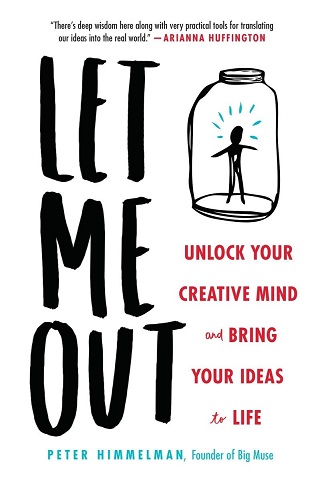
In Let Me Out, author, musician, and creativity advocate Peter Himmelman invites readers on a personal and transformative journey to rediscover their creative spark. This is not your typical how-to manual for artists or musicians—it’s a guide for everyone, from corporate professionals to stay-at-home parents, to unleash the creative energy that lies dormant in everyday life.
This Let Me Out summary explores the book’s three-part structure, highlighting its core insights and practical exercises, all designed to help readers overcome fear, unlock self-expression, and live more authentically.
Overview: What Let Me Out Is Really About
Creativity, according to Himmelman, isn’t a luxury reserved for the gifted or the eccentric—it’s an essential human trait. The book challenges the conventional idea that creativity is only relevant in artistic domains. Instead, it presents creativity as a tool for problem-solving, emotional expression, relationship-building, and innovation in every area of life.
With a warm, humorous, and often deeply personal tone, Himmelman breaks down the psychological walls—fear, self-doubt, and procrastination—that keep us from expressing our creative selves. He blends science, storytelling, and hands-on exercises into a motivating blueprint for change.
Part One: Unlocking Creativity
The first section of Let Me Out focuses on recognizing the creative blockages that many people carry and offers tools to dismantle them. Himmelman repeatedly drives home the idea that creativity is not limited to painting or composing—it is found in business ideas, parenting solutions, and even how you decorate your living room.
Chapter 1: The Power of Creativity
Himmelman opens the book by redefining creativity as something accessible to everyone. He emphasizes its transformative power—not only to make art but to solve problems, build confidence, and add purpose to daily routines. Creativity, in this sense, is about being more fully alive.
Chapter 2: The Creative Process
Next, Himmelman outlines the steps of the creative process in a clear and approachable way. He shows that creativity isn’t a mystical force but a set of repeatable actions: ideation, experimentation, iteration, and delivery. Recognizing this process gives people a roadmap and reduces fear of the unknown.
Chapter 3: Unlocking Your Creative Potential
This chapter introduces practical exercises designed to spark creativity. Journaling prompts, visualization tools, and “courage challenges” aim to push readers out of their mental comfort zones. Himmelman encourages readers to start small—write one line, take one photo, share one idea—and build confidence from there.
Part Two: The Creative Life
This middle section explores how creativity shapes all aspects of our lived experience—not just our internal world, but our relationships, careers, and communities. Himmelman helps readers reimagine how they interact with the world when they’re operating from a creative mindset.
Chapter 4: The Creative Life
What does it really mean to live creatively? According to Himmelman, it’s about being present, being bold, and refusing to let fear dictate your decisions. Whether you’re launching a business or just trying a new recipe, living creatively requires intention and curiosity.
Chapter 5: The Creative Workplace
The workplace isn’t typically seen as a hub of personal expression—but Himmelman challenges this notion. He makes the case for building more imaginative work environments where people are empowered to think differently and take calculated risks. Creativity, he argues, drives innovation and job satisfaction.
Chapter 6: The Creative Relationship
Our connections with others flourish when we apply creativity to communication, empathy, and problem-solving. Himmelman reflects on his own relationships, showing how playful thinking, vulnerability, and honesty can deepen emotional bonds. He encourages readers to use storytelling and listening as powerful relational tools.
Part Three: The Creative You
The final section of the book brings the focus back to the individual and emphasizes that a creative life is not something to aspire to “someday”—it’s a mindset you can activate right now. Himmelman’s approach is deeply practical, giving readers daily rituals and exercises to implement long after finishing the book.
Chapter 7: The Creative You
This chapter is a call to action. It’s where Himmelman challenges readers to stop waiting for the perfect moment to create. He stresses the importance of letting go of perfectionism, acknowledging self-doubt, and moving forward anyway. He also touches on the internal “bully voices” that tell us we’re not good enough and teaches us how to silence them.
Chapter 8: The Creative You in Action
In this final chapter, Himmelman outlines actionable strategies to sustain creativity over time. He offers a toolkit of writing prompts, mindfulness practices, and reflection exercises that help embed creativity into daily life. The message here is simple but powerful: creativity is a muscle, and you have to use it to keep it strong.
Key Lessons from Let Me Out Summary
- Creativity is universal. Whether you’re an artist, accountant, or athlete, creativity can enrich your life.
- Fear is the greatest blocker. Most creative stagnation stems from fear—of failure, judgment, or vulnerability.
- Small actions lead to big breakthroughs. Creativity grows when nurtured in daily habits and consistent effort.
- Relationships thrive on creative thinking. Empathy, humor, and communication all improve when approached creatively.
- You don’t need permission. Stop waiting for the perfect conditions—start where you are, with what you have.
About the Author: Peter Himmelman
Peter Himmelman is not only a successful musician but also a respected creativity expert. With years of experience navigating both the artistic and corporate worlds, he brings a unique voice to the conversation on innovation. His credibility stems from lived experience—balancing professional performance with vulnerability, deadlines with inspiration, and ambition with personal growth.
Who Should Read Let Me Out?
- Professionals feeling creatively stuck in their work or personal lives
- Entrepreneurs and leaders who want to foster innovation in their teams
- Artists and writers who want to reconnect with their creative drive
- Anyone seeking a more fulfilled, authentic life through self-expression
Whether you’re launching a startup or simply looking to break out of routine, Let Me Out is an empowering guide to reconnecting with your creative instincts and making meaningful changes.
Final Thoughts: Let Me Out Summary
This Let Me Out summary reveals a book that is both practical and deeply inspiring. Peter Himmelman shows us that creativity isn’t just about art—it’s about living intentionally, making bold choices, and seeing the world through a lens of possibility. Through real-life stories, practical tools, and heartfelt encouragement, Let Me Out offers a roadmap for anyone ready to reimagine their life and unleash the creative force within.
Creativity isn’t something you find—it’s something you release. And Let Me Out shows you exactly how to begin.