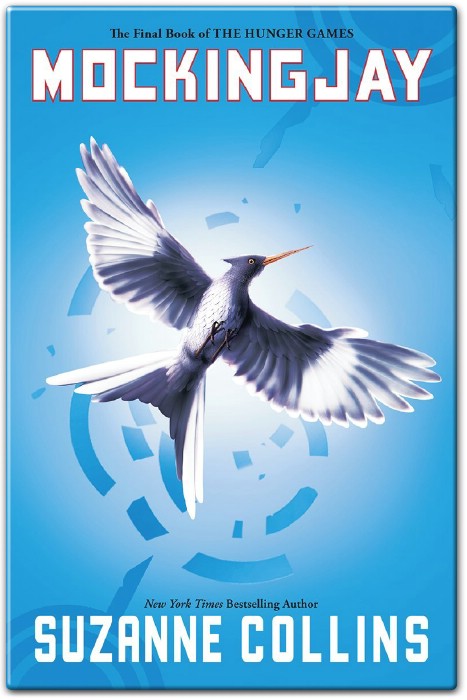
Mockingjay, the thrilling conclusion to Suzanne Collins’ The Hunger Games trilogy, takes readers beyond the deadly arenas into a world ravaged by war, rebellion, and moral ambiguity. In this Mockingjay summary, we will explore the novel’s gripping plot, complex characters, powerful themes, and unforgettable moments—offering a detailed yet accessible overview for fans and newcomers alike.
Overview: The Evolution from Survival to Revolution
In Mockingjay, Katniss Everdeen’s journey shifts from fighting for survival in the Hunger Games to leading a rebellion that could reshape the entire nation of Panem. No longer confined to the deadly spectacle of the arena, she becomes the reluctant symbol of hope and defiance—the Mockingjay—facing impossible decisions that challenge her beliefs, loyalties, and sense of justice.
This installment dives deeply into the costs of war and revolution, showing how alliances fracture, trust is tested, and the boundaries between right and wrong become dangerously blurred. Collins masterfully evolves the story from a dystopian survival tale into a politically charged narrative that asks what kind of world is truly worth fighting for.
Quick Mockingjay Summary Highlights
- Katniss transforms into the Mockingjay, embodying the rebellion’s spirit, but struggles with overwhelming guilt and trauma.
- Peeta Mellark is captured and brainwashed by the Capitol, turning their once strong bond into a painful battle for healing.
- The war escalates beyond the arena’s confines, exposing the brutal realities and ethical compromises of both the rebels and the Capitol.
- The tragic death of Katniss’s sister, Prim, becomes a turning point that forces Katniss to question everyone and everything around her.
- In a shocking climax, Katniss kills President Coin instead of President Snow, ending the cycle of tyranny in an unexpected twist.
Deep Dive: Plot Summary and Chapter Breakdown
Part I: From Ruins to Resistance (Chapters 1–9)
The story begins amid the ashes of District 12, destroyed by the Capitol’s relentless bombings. Katniss has been rescued by District 13, a previously thought-destroyed district now operating underground and orchestrating the rebellion. The leaders of District 13—President Coin and Plutarch Heavensbee—recruit Katniss to become the Mockingjay, the symbolic face of the uprising. Although hesitant, she agrees, driven by a fierce desire to protect her loved ones and end President Snow’s tyranny.
Katniss’s visits to war-torn districts like District 8 showcase the brutal human cost of the conflict and cement her role as a reluctant but powerful symbol of hope. The propaganda campaigns, filled with staged footage, serve to inspire the rebels and weaken the Capitol’s grip.
Part II: Captivity and Psychological Warfare (Chapters 10–18)
Katniss’s greatest personal challenge unfolds with Peeta’s rescue. After years apart, Peeta returns a broken man, “hijacked” by Capitol torture to fear and hate Katniss. Their fractured relationship exposes the novel’s heartache and psychological trauma—highlighting the emotional wounds war inflicts beyond the battlefield.
Meanwhile, Katniss and Gale’s roles in the military campaign become increasingly fraught. Gale’s adoption of violent tactics reminiscent of the Capitol’s cruelty strains their friendship and forces Katniss to confront the ethical ambiguities of rebellion.
Part III: The Final Siege and Betrayal (Chapters 19–27)
The rebels infiltrate the Capitol, navigating deadly traps and political subterfuge. A climactic moment occurs when a bombing kills Prim, Katniss’s beloved sister, shattering Katniss’s last hope for innocence in the war. It is revealed that President Coin may have orchestrated the bombing to manipulate the rebellion’s narrative.
The novel’s final twist comes when Katniss refuses to kill President Snow, instead assassinating President Coin—whose hunger for power threatens to replace one form of tyranny with another. This act underscores the novel’s central theme: the cycle of power and corruption must be broken for true change to occur.
Character Arcs and Development
Katniss Everdeen:
From a survival-driven teenager to the embattled Mockingjay, Katniss’s growth is raw and painful. She embodies resilience and moral complexity, navigating PTSD, leadership pressures, and heartbreak. Her ultimate rejection of Coin’s leadership cements her as a fiercely independent protagonist shaped by conscience rather than political expediency.
Peeta Mellark:
Peeta’s arc is one of trauma and slow recovery. Brainwashed to despise Katniss, his journey underscores the psychological scars of war and the healing power of love and trust.
Gale Hawthorne:
Gale evolves into a hardened rebel strategist. His growing ruthlessness and ideological divide with Katniss highlight the ethical tensions within the rebellion itself.
President Snow:
Snow represents the corrupting influence of absolute power. His downfall is inevitable but tinged with ambiguity, reflecting the novel’s moral complexity.
President Coin:
Initially seen as an ally, Coin’s true nature as a power-hungry manipulator emerges, making her betrayal one of the story’s most compelling twists.
Central Themes Explored
War and Its Moral Ambiguities:
Mockingjay delves into the ugly truths of war—propaganda, sacrifice, and ethical compromises. Collins challenges readers to consider whether ends justify means when fighting tyranny.
Trauma and Healing:
The psychological toll on Katniss, Peeta, and other characters is vividly portrayed. Collins sensitively addresses PTSD and the long road to recovery after violence.
Love, Loyalty, and Choice:
Katniss’s relationships with Peeta and Gale symbolize the tensions between vengeance and healing, personal loyalty and political allegiance.
Female Agency and Resistance:
Katniss’s refusal to be a pawn, especially in the assassination of Coin, emphasizes her autonomy and feminist strength, reinforcing her role as a leader shaped by principle.
Memorable Quotes from Mockingjay
- “Fire is catching! And if we burn, you burn with us!” — A rallying cry that embodies rebellion’s fierce spirit.
- “Sometimes when I’m alone, I take the pearl from where it lives in my pocket and try to remember the boy with the bread…” — A poignant reflection of Peeta’s importance.
- “It takes ten times as long to put yourself back together as it does to fall apart.” — A powerful insight into trauma and healing.
- “They’ll either want to kill you, kiss you, or be you.” — A reminder of Katniss’s complex role as a symbol.
Final Thoughts on Mockingjay Summary
Mockingjay stands as a compelling conclusion to Suzanne Collins’ trilogy, transforming the narrative from a survival story into a profound exploration of war, power, and human resilience. Through complex characters, moral dilemmas, and emotional depth, Collins crafts a tale that resonates beyond its dystopian setting—asking readers what freedom truly means and what sacrifices it demands.
For anyone looking for an in-depth, thoughtful summary that captures both the heart and the scope of this final book, this Mockingjay summary delivers everything needed to understand why the series remains a modern classic.