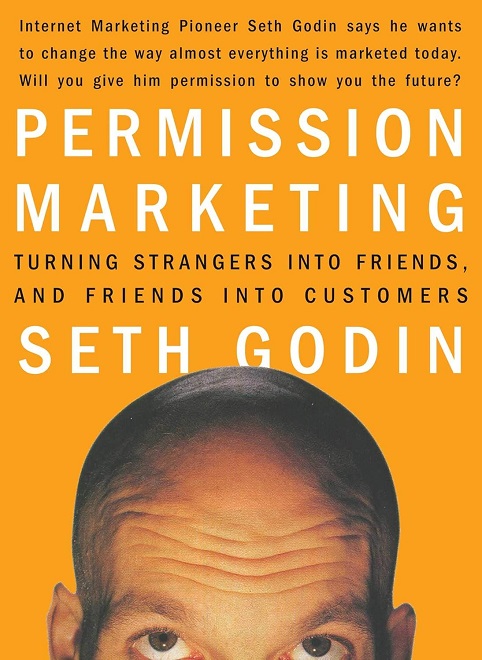
In Permission Marketing: Turning Strangers Into Friends and Friends Into Customers, best-selling author and marketing thought leader Seth Godin flips the script on traditional advertising. Instead of bombarding people with unsolicited messages (a tactic known as “interruption marketing”), Godin proposes a more respectful, consent-based approach: ask for permission first.
This Permission Marketing Summary explores the book’s key chapters, core principles, and takeaways, offering both marketers and curious readers a comprehensive breakdown of this groundbreaking philosophy. Whether you’re a business owner, brand strategist, or digital marketer, Godin’s insights are increasingly relevant in an age where attention is currency and consumer trust is hard-earned.
What Is Permission Marketing?
Seth Godin introduces Permission Marketing as a revolutionary approach that values the consumer’s time, choice, and engagement. Instead of trying to grab attention by interrupting people (like TV ads or pop-ups), permission marketing encourages businesses to earn the right to communicate with consumers over time—through trust, relevance, and mutual interest.
This model is particularly potent in today’s digital landscape, where customers have more control over what content they see, engage with, or ignore. Godin’s central idea is that marketing should be anticipated, personal, and relevant. This change, he argues, is not just ethical—it’s effective.
Chapter Breakdown of Permission Marketing
Chapter 1: The Pitfalls of Interruption Marketing
Godin begins by critiquing the traditional marketing landscape, which he labels “interruption marketing.” This strategy floods people with generic messages during TV shows, web browsing, or radio listening—forcing attention rather than earning it.
However, as people are increasingly bombarded with ads and have more tools to ignore or block them, this model is no longer sustainable. Consumers today are savvy and empowered; they reward relevance and punish intrusion. Godin argues that continuing down this road is not just inefficient—it’s brand-damaging.
Chapter 2: The Foundation of Permission
This chapter introduces the core of Godin’s concept: get permission before you market. Whether it’s subscribing to a newsletter, following a brand on social media, or opting into product updates, the user gives their consent—and that makes all the difference.
Permission creates a two-way relationship. It’s the consumer saying, “Yes, I want to hear from you,” which fundamentally changes the dynamic. Now, instead of being a faceless advertiser, the brand becomes a welcomed guest. And when you’re invited in, your message lands better.
Chapter 3: The Five Levels of Permission
Not all permissions are created equal. Godin defines five distinct levels, which range from superficial to deeply integrated:
- Situational Permission – Given for a one-time interaction, like answering a survey.
- Brand Trust – When a consumer gives a brand ongoing permission based on positive experiences.
- Personal Relationship – Built through one-on-one communication.
- Purchase Loyalty – Seen when customers automatically choose a brand due to habit or satisfaction.
- Intravenous Permission – The most intimate, where the consumer depends on the brand (think subscription services or medical care).
Understanding where your customer sits on this scale helps shape the right message, frequency, and content strategy.
Chapter 4: Becoming a Permission Marketer
Through a fictional case study, Godin illustrates how a business can evolve into a permission-based model. It’s not an overnight switch—it’s a journey.
The case starts with a brand making first contact (respectfully) and offering value in exchange for attention. Over time, the relationship is nurtured with useful, engaging, and personalized content. Eventually, the stranger becomes a customer, and the customer becomes a loyal advocate.
This chapter emphasizes patience, consistency, and genuine interest in the customer’s needs.
Chapter 5: Rethinking Direct Marketing
Godin revisits direct marketing, a classic advertising tool, but with a twist: when fused with permission marketing, it becomes far more powerful.
Instead of blasting a list with generic mailers, marketers can now target individuals who want to hear from them. This leads to higher conversion rates, better ROI, and stronger brand equity. Direct marketing becomes less about volume and more about value.
Chapter 6: How to Apply Permission Marketing in the Real World
Implementation is where theory meets practice. In this final chapter, Godin lays out actionable strategies for building permission-based campaigns:
- Incentivize Engagement – Offer something valuable (a free guide, discount, or access) in exchange for permission.
- Deliver on Promises – If someone signs up for weekly tips, don’t start spamming them daily.
- Be Useful – Content must be relevant and beneficial, not self-serving.
- Respect the Relationship – Never exploit the permission granted; it’s a privilege, not a right.
He also addresses common challenges like low open rates, unsubscribes, or fatigue—and provides guidance on how to pivot respectfully.
Key Takeaways from Permission Marketing Summary
- Consumers crave relevance. If your content isn’t valuable or timely, it gets ignored.
- Trust is the new currency. People do business with brands they know and trust—and permission is the foundation of that trust.
- Interruption is dead. While flashy ads still exist, they’re increasingly ineffective without permission.
- Relationships > Transactions. Building long-term engagement yields better results than short-term sales hacks.
About the Author: Seth Godin
Seth Godin is a renowned marketing expert, entrepreneur, and author of numerous bestsellers including Purple Cow, Tribes, and This is Marketing. Known for his unconventional insights and forward-thinking strategies, Godin is widely respected in the marketing community for reshaping how we view branding, connection, and creativity.
His writing style is concise, provocative, and often laced with real-world applications—making even complex ideas feel actionable.
Who Should Read Permission Marketing?
- Digital marketers and advertisers looking for ethical, effective strategies in a crowded online world.
- Small business owners and entrepreneurs wanting to build loyal audiences without breaking the bank on ads.
- Brand strategists and content creators aiming to create deeper customer relationships.
- Anyone interested in marketing psychology and how trust drives consumer behavior.
If you want to create marketing that people actually want to receive, Permission Marketing is essential reading.
Final Thoughts on Permission Marketing Summary
This Permission Marketing Summary captures the essence of Seth Godin’s revolutionary idea: the most powerful marketing doesn’t interrupt—it invites. By earning your audience’s trust and delivering ongoing value, your brand becomes not just a seller, but a partner in the customer’s journey.
In an age of ad blockers and endless noise, the brands that get ahead will be those that prioritize permission, personalization, and purpose. Seth Godin didn’t just write a marketing manual—he rewrote the rules of modern communication.