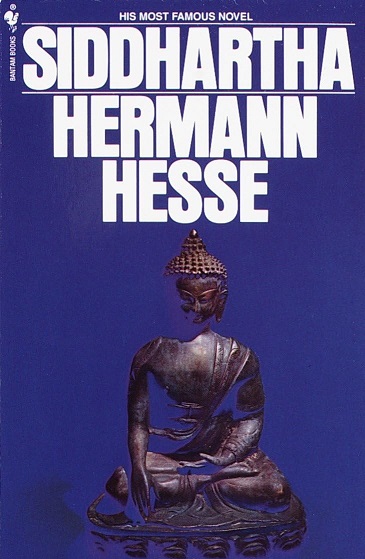
Hermann Hesse’s Siddhartha is a literary masterpiece that speaks directly to the heart of the human experience. Set during the time of the Buddha, this philosophical novel explores one man’s lifelong quest to understand the essence of existence.
In this Siddhartha Summary, we dive deep into the novel’s powerful teachings, plot, and enduring relevance. With poetic simplicity and profound insight, Hesse crafts a story that continues to inspire readers in search of meaning, balance, and inner peace.
A Journey of the Soul
At the heart of Siddhartha is the titular character’s personal and spiritual evolution. Born into a wealthy Brahmin family, Siddhartha enjoys a life of comfort and privilege. Yet, he feels unfulfilled—his soul aches for something deeper than rituals and intellectual teachings can offer. Alongside his loyal friend Govinda, he sets off to find a path that will lead to enlightenment.
His journey isn’t linear. He experiments with extreme asceticism, indulges in worldly pleasures, and eventually becomes disillusioned by both. What sets Siddhartha apart from other spiritual stories is its assertion that no single doctrine, even Buddhism itself, can deliver true enlightenment. Instead, it suggests that wisdom is personal, experiential, and intuitive.
Lesson 1: True Wisdom Lies in Harmony Between the Spiritual and Material Worlds
One of the book’s most enduring messages is the importance of balance. Siddhartha initially believes that rejecting the material world is the key to enlightenment. He joins a group of ascetics, fasting and meditating to the point of physical deterioration. However, even this extreme spiritual discipline fails to bring him the peace he seeks.
Later, he explores the opposite path—immersing himself in sensual pleasures, wealth, and success. He becomes a successful merchant and falls in love with Kamala, a beautiful courtesan. Yet, despite achieving material prosperity, he feels spiritually empty.
Ultimately, Siddhartha comes to realize that neither path—complete denial nor complete indulgence—holds the answer alone. True peace comes from embracing both aspects of life and finding a personal harmony between them. This realization comes during his time with the ferryman Vasudeva, who teaches him to listen to the wisdom of the river, a powerful metaphor for life’s constant flow and unity.
Takeaway: The spiritual and material realms are not at odds—they are interconnected. To find peace, we must learn to live in balance, honoring both our physical needs and our spiritual nature.
Lesson 2: Enlightenment Is Found Through Experience, Not Instruction
Throughout the novel, Siddhartha repeatedly rejects external teachings in favor of personal experience. While he respects the Buddha, he chooses not to become a follower. He understands that someone else’s enlightenment cannot be transferred—it must be discovered within.
This is a core theme of the book: the journey inward is deeply individual. Books, teachers, and philosophies can guide us, but they cannot give us wisdom. That must be earned through lived experience—through joy, suffering, love, loss, and reflection.
The figure of the fisherman (or ferryman, as sometimes translated), Vasudeva, symbolizes this quiet, experiential wisdom. Vasudeva never preaches. He listens, observes, and allows life to teach its lessons. His serenity comes not from doctrine but from a deep understanding of the world gained through years of patient observation.
Takeaway: Don’t chase truth in the words of others. Instead, embrace life’s experiences fully—both painful and beautiful—as each one brings you closer to self-understanding.
Lesson 3: Everything in the Universe Is Interconnected and Timeless
The final insight that completes Siddhartha’s transformation is the realization of unity—the understanding that all things are connected, that time is an illusion, and that life and death are part of a continuous cycle.
The river, which flows endlessly yet remains ever the same, becomes his greatest teacher. Through its constant motion, it reveals life’s paradoxes: beginnings are also endings, sorrow is interwoven with joy, and every person and experience is part of a greater whole.
Siddhartha learns that the present moment holds all moments within it. By truly listening to the river, he grasps that the universe is in perfect harmony. With this revelation, he finally attains the inner peace he has sought his entire life—not by escaping the world, but by understanding and embracing it.
Takeaway: Enlightenment comes when we recognize the oneness of all existence. When we let go of judgment and separation, we see that everything is as it should be—and that we, too, are part of that eternal flow.
Siddhartha Review – Why This Book Still Matters Today
Despite being published in 1922, Siddhartha remains one of the most beloved works of spiritual fiction. Hermann Hesse’s lyrical prose and philosophical depth resonate with anyone who has questioned the purpose of life, the pursuit of happiness, or the role of faith.
This book doesn’t give easy answers, and that’s precisely its power. It acknowledges the complexities of the human condition and offers a compassionate, non-dogmatic path toward understanding it. Readers are invited not to follow Siddhartha’s path, but to reflect on their own and find their truth in their own time.
Its enduring relevance lies in its universal themes—identity, love, loss, spirituality, and the search for meaning. Whether you’re young and just beginning your journey, or older and still seeking, Siddhartha offers a gentle but profound nudge toward the deeper waters of the self.
Who Should Read Siddhartha?
This Siddhartha Summary is for:
- The overachiever who has reached external success but feels spiritually empty.
- The seeker who’s tried various religions or philosophies but still hasn’t found peace.
- The curious mind eager to explore non-Western spiritual perspectives in a narrative format.
No matter your age or background, this novel is a soul-stirring read. It’s especially powerful for those at a crossroads—personally, professionally, or spiritually.
Final Thoughts: A Gentle Reminder to Look Within
Siddhartha isn’t just a novel—it’s a mirror. It reflects our own inner journeys, fears, aspirations, and questions. It’s about learning to listen—to the world, to others, and ultimately, to ourselves.
In a fast-paced world obsessed with external success, Hesse’s message is more important than ever: peace doesn’t come from having more—it comes from understanding what you already are.
So, whether you’re lost, questioning, or just looking for deeper meaning in life, Siddhartha is a quiet guidebook that reminds you the answers aren’t out there—they’re inside you.
Frequently Asked Questions
What is the main message of Siddhartha?
The book teaches that true enlightenment is achieved through personal experience, balance, and the recognition of life’s interconnectedness—not through external doctrines.
Is Siddhartha based on the Buddha?
While the character shares a name and timeline with Siddhartha Gautama (the Buddha), this is a fictional story. The protagonist meets the Buddha but chooses his own path.
Is Siddhartha hard to read?
No. Hesse’s language is simple and poetic. The novel is short, yet filled with philosophical depth that makes it perfect for reflection and re-reading.
For more profound book insights like this Siddhartha Summary, explore our collection of curated book reviews and summaries at Books to Thrive. Discover stories that challenge your mind, uplift your spirit, and inspire your next steps.