Introduction: Why The Art of Seduction Still Resonates Today
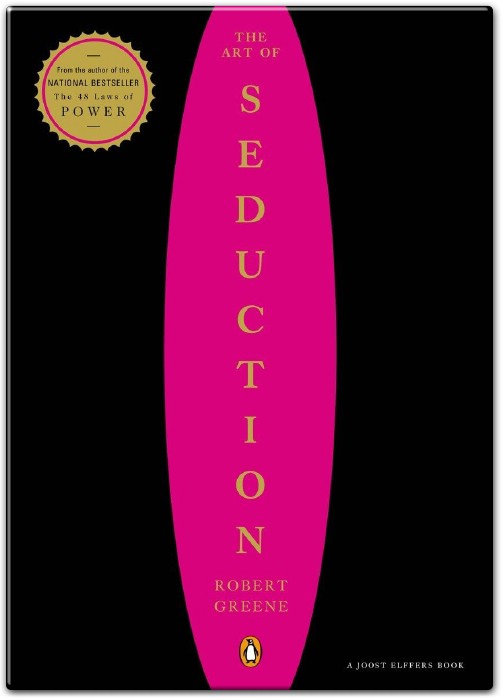
The Art of Seduction by Robert Greene isn’t merely a book about romantic manipulation—it’s a masterclass in psychological strategy, social influence, and the hidden architecture of power dynamics. Since its publication in 2001, this provocative text has captivated readers by revealing how seduction operates not only in love but also in politics, business, and everyday relationships.
Greene dissects seduction through a historical and psychological lens, portraying it as a subtle but potent tool of persuasion. From Cleopatra to Casanova, the book explores timeless archetypes and manipulative tactics used to entice, control, and even dominate others—all framed within real-life anecdotes. In this The Art of Seduction Summary, we’ll break down the major ideas, offer a chapter-by-chapter analysis, and discuss the book’s ethical complexities and modern-day relevance.
Part One: The Seductive Character – The Psychology of Archetypes
The first half of the book introduces nine seductive archetypes, each representing a different method of charm and manipulation. Greene presents these personas not as mere flirtation strategies but as psychological masks worn to tap into others’ deep-seated desires and insecurities.
- The Siren: Uses sensuality and mystery to captivate (e.g., Cleopatra).
- The Rake: Intensely passionate and obsessive (e.g., Casanova).
- The Ideal Lover: Fulfills emotional fantasies (e.g., Valentino).
- The Dandy: Offers fluidity and androgyny to attract both genders (e.g., Oscar Wilde).
- The Natural: Childlike spontaneity wins hearts (e.g., Charlie Chaplin).
- The Coquette: Master of delay, seduction through absence (e.g., Josephine Bonaparte).
- The Charmer: Elicits pleasure and deflects confrontation (e.g., Benjamin Disraeli).
- The Charismatic: Enthralling energy and conviction (e.g., JFK, Monroe).
- The Star: Glamour and mystique through fame and illusion.
Each chapter explains the strengths, weaknesses, and tactics of these personas with historical case studies and psychological insights.
Also highlighted are the Anti-Seducers—those who repel rather than attract. Greene identifies traits like self-absorption, insecurity, and predictability as repellents, urging readers to avoid these characteristics at all costs.
Part Two: The Seductive Process – 24 Steps of Influence
The second part of The Art of Seduction details a four-phase seduction process consisting of 24 strategic steps. Greene presents seduction as a long game—one requiring patience, control, and emotional intelligence.
Phase One: Stirring Desire
- Choose the Right Victim – Identify emotionally vulnerable targets.
- Create a False Sense of Security – Use an indirect, gentle approach.
- Send Mixed Signals – Generate curiosity through ambiguity.
- Appear as an Object of Desire – Cultivate jealousy or social proof.
- Create a Need – Tap into emotional or psychological voids.
- Master the Art of Insinuation – Suggest rather than state.
- Enter Their Spirit – Mirror their values and mood.
- Create Temptation – Present a tantalizing escape from the mundane.
Phase Two: Leading the Target
- Keep Them in Suspense – Remain unpredictable.
- Use the Power of Words – Seductive speech as a hypnotic tool.
- Pay Attention to Detail – Personalize your gestures and attention.
- Poeticize Your Presence – Enhance your allure with storytelling and symbols.
- Disarm Through Vulnerability – Show weakness strategically.
- Create the Perfect Illusion – Blur the lines between fantasy and reality.
- Isolate the Victim – Limit outside influences and distractions.
Phase Three: Deepening Emotional Engagement
- Prove Yourself – Show your uniqueness and commitment.
- Effect a Regression – Revert them to a childlike emotional state.
- Stir the Transgressive – Introduce danger or the taboo.
- Use Spiritual Lures – Appeal to higher ideals or destiny.
- Mix Pleasure with Pain – Intensify emotions through contrast.
Phase Four: The Kill
- Give Them Space to Fall – Let the target chase you.
- Use Physical Lures – Make strategic contact and embrace sensuality.
- Master the Bold Move – Strike decisively at the right moment.
- Beware the Aftereffects – Manage the emotional fallout.
Key Themes in The Art of Seduction
1. Illusion Over Reality
Greene argues that people crave fantasy and theatricality more than authenticity. Seduction thrives on this illusion—making the seducer a kind of stage performer who delivers escapism.
2. Emotional Control and Exploitation
The book emphasizes emotional reading and manipulation. The skilled seducer identifies psychological voids and subtly positions themselves as the solution.
3. Delayed Gratification
Seduction is not about speed but precision. Greene advocates for gradual engagement, asserting that anticipation deepens desire.
4. Power Through Withdrawal
Creating emotional tension through absence, resistance, and inconsistency generates craving. This echoes modern dating techniques like “ghosting” and intermittent reinforcement.
Ethical Considerations: Manipulation vs. Influence
Critics often challenge The Art of Seduction for encouraging manipulation. While Greene frames seduction as a “neutral” tool—like a scalpel that can heal or harm—some argue it normalizes exploitative behavior. Gender stereotypes are another point of contention; though the book features both male and female seducers, its examples often align with traditional roles where men pursue and women entice.
However, Greene’s intent isn’t necessarily to moralize but to expose. By understanding how seduction works, readers gain both offensive and defensive tools—allowing them to engage in or guard against manipulation.
The Art of Seduction in the Digital Age
Greene’s ideas remain remarkably relevant in today’s hyper-connected, curated world.
- Social Media: Instagram and TikTok are modern arenas for seduction. Strategic silence, curated aesthetics, and mysterious captions echo Greene’s techniques.
- Branding & Business: CEOs like Elon Musk and influencers like Kim Kardashian use charisma, controversy, and narrative—the hallmarks of seduction—to dominate public attention.
- Politics: Campaigns often rely more on emotional triggers and identity appeal than rational argument. Figures like Barack Obama and Donald Trump demonstrate opposing but equally seductive styles.
About the Author: Robert Greene’s Legacy
Robert Greene is a best-selling author known for his unapologetic approach to power and strategy. With a background in classical literature and Hollywood storytelling, Greene writes with scholarly rigor and narrative flair. His works—The 48 Laws of Power, The 33 Strategies of War, Mastery, and The Laws of Human Nature—are considered must-reads for those interested in leadership, influence, and human psychology.
Final Verdict: Should You Read The Art of Seduction?
⭐ Rating: 4.5/5
Pros:
- Deep psychological insight
- Rich historical context
- Elegant and provocative prose
Cons:
- Ethically ambiguous
- Somewhat repetitive
- Traditional gender framing
Best for:
- Fans of The 48 Laws of Power
- Psychology and self-help readers
- Business leaders and social strategists
Conclusion: Seduction as a Mirror of Power
The Art of Seduction is not a shallow dating guide—it’s a revelatory framework for understanding how people influence, charm, and manipulate one another. Whether you apply its lessons or simply use them as armor, this book is a compelling exploration of human nature.
In a world of noise and distraction, Greene teaches us that allure lies in mystery, patience, and emotional resonance. Use the insights with caution—or they may just be used on you.