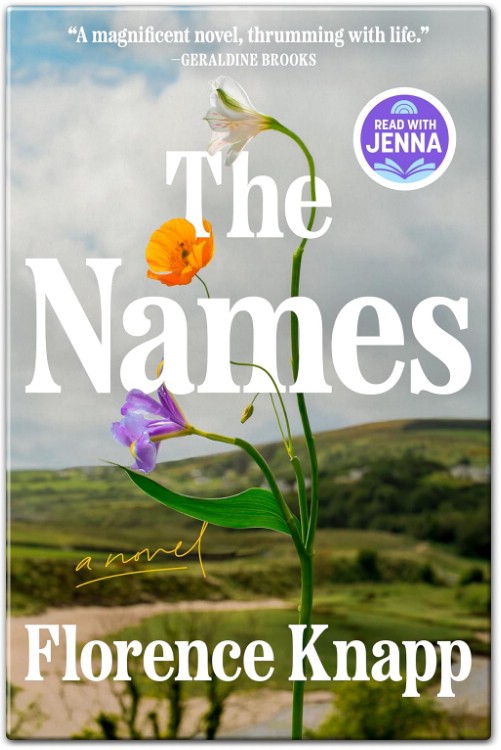

What if one decision—one name—could alter the course of a life forever?
In The Names, Florence Knapp delivers a deeply moving and structurally inventive debut that examines how identity is shaped, not only by the names we are given but also by the traumas we inherit, the choices we make, and the love we fight for. Set during the catastrophic 1987 Great Storm in the UK, this novel uses a “Sliding Doors”-style narrative to follow one mother, one newborn, and three different futures. This The Names book summary will walk you through the powerful themes, layered characters, and the innovative structure that has earned this novel critical acclaim and reader devotion alike.
The Premise: One Name, Three Lives
Cora, a mother escaping an abusive marriage, finds herself caught in the chaos of a natural disaster and a personal storm. As she flees with her newborn son during the Great Storm, she’s faced with an urgent question at the registry office: what to name her baby. It seems simple, but that one decision launches the story into three distinct and emotionally charged timelines. The child is named Gordon in one version, Julian in another, and Bear in the third—each name charting a unique path through life.
Florence Knapp doesn’t just tell a story; she constructs three parallel lives that force readers to consider: How much power lies in a name? Can a choice that seems small at the moment truly shape the trajectory of someone’s entire life?
Non-Spoiler Overview
Without giving too much away, The Names can be described as a narrative kaleidoscope. Each of the three timelines unfolds with rich emotional detail, exploring what it means to grow up in the shadow of trauma, in the embrace of love, or in the middle of self-discovery. At its core, the novel is about survival, identity, and the long-reaching consequences of our choices. The book invites readers into Cora’s world and challenges them to reflect on their own pivotal life decisions.
Spoiler Insight: Three Timelines, Three Emotional Journeys
Gordon
Named after his abusive father, Gordon’s life reflects the weight of generational trauma. He grows up struggling with inherited emotional scars, navigating a life overshadowed by the name he bears. Gordon’s story examines the difficult journey toward self-liberation and the fight to rewrite a legacy of pain.
Julian
This is the name Cora chooses for her son without external influence—a name that represents a break from the past. Julian’s path is more introspective and artistic, delving into the complexities of self-perception, societal pressure, and emotional intelligence. His life poses important questions about identity construction and internal versus external validation.
Bear
Chosen by Cora’s daughter Maia, Bear symbolizes hope, softness, and resilience. Bear’s story is one of healing—a portrayal of strength rooted in vulnerability. He grows up in an environment shaped by love and the desire to build something better than what came before. This timeline illustrates how compassion can be just as powerful as strength.
Each narrative covers decades, allowing readers to witness the long-term impact of that one moment when Cora wrote a name on a birth certificate.
Main Characters
Cora
A deeply sympathetic and complex protagonist, Cora is a mother trying to protect her children and find peace after years of domestic abuse. Her strength lies not only in her actions but in her unwavering emotional resilience. She anchors the novel and ties each timeline together.
Gordon
Bearing the name of his abusive father, Gordon must navigate internalized trauma and emotional repression. His timeline serves as a mirror to generational pain and the burden of inherited identity.
Julian
Julian is thoughtful, creative, and emotionally complex. His journey centers on understanding who he is outside of family history, exploring the ways people build themselves from the inside out.
Bear
Bear grows up under the gentler influence of a mother who chose hope. His life is a testament to the healing that’s possible when trauma is met with love and openness.
Maia
Cora’s daughter plays a significant symbolic role, especially in Bear’s timeline. Her influence underscores the potential for younger generations to reshape family narratives.
Themes in The Names
1. Identity and Self-Determination
Names in this novel are more than labels—they are gateways to identity. Knapp brilliantly illustrates how a person’s name can shape their perception of themselves and how others perceive them. Each of the three sons grapples with the burden or blessing of their given identity, emphasizing how deeply names can influence destiny.
2. Domestic Abuse and Its Ripple Effects
Cora’s escape from an abusive relationship is not the end of the trauma but the beginning of its unpacking. Knapp writes with tenderness and honesty about the emotional and psychological aftershocks of abuse, not just on the survivor but on their children as well. This theme is both heart-wrenching and empowering.
3. The Consequences of Choice
What appears to be a small decision—choosing a name—unfolds into a life-altering event. The novel reflects on how our choices, even in moments of chaos, carry weight far beyond what we can imagine. The Names urges readers to consider the unseen ramifications of every crossroads in life.
4. Resilience and Healing
Despite the pain and complexity that fills each timeline, the novel pulses with hope. Whether through introspection, emotional courage, or simple acts of kindness, each character finds their own version of healing. The message is clear: while trauma shapes us, it doesn’t have to define us.
About the Author: Florence Knapp
Before writing fiction, Florence Knapp was a well-known voice in quilting publications, writing about English paper piecing. This background in careful craftsmanship shines through in her writing, which is both delicate and profound. The Names is her debut novel, but it reads like the work of a seasoned storyteller. Living just outside London with her family and pets, Knapp brings emotional authenticity and personal insight to every page.
Critical Reception
Readers and critics alike have embraced The Names for its emotional honesty and structural creativity:
- “A brilliant exploration of how small choices shape entire lives.” — The Guardian
- “Knapp’s sensitivity and emotional depth made me reflect on my own family history.” — Goodreads Reviewer
- “The narrative’s ‘Sliding Doors’ structure kept me hooked throughout.” — Amazon Review
- “An unforgettable story about resilience, love, and identity.” — BookBrowse
Final Thoughts
Florence Knapp’s The Names is a literary feat—emotional, imaginative, and utterly engrossing. It redefines the boundaries of narrative fiction by asking readers to step into alternate realities shaped by a single, human choice. As this The Names book summary shows, the novel offers far more than a compelling plot. It’s a meditation on what it means to name, to choose, and to live with the consequences of our decisions.
If you’re a reader drawn to layered storytelling, emotionally resonant characters, and bold structural innovation, The Names is a must-read. It doesn’t just tell a story—it invites you to consider your own.