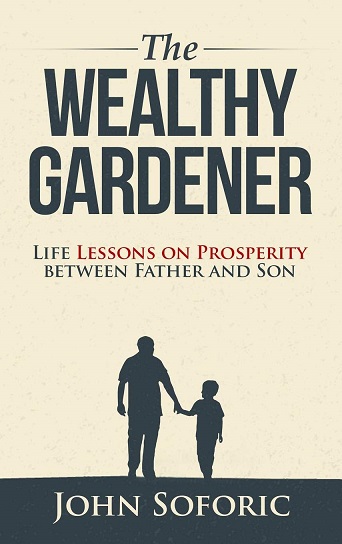
John Soforic’s The Wealthy Gardener: Life Lessons on Prosperity Between Father and Son is more than just a financial self-help book—it’s a deeply personal guide to building wealth, cultivating discipline, and leading a fulfilling life. Told through engaging, fictionalized parables and rooted in real-world experience, the book is a masterclass in both money management and personal growth. In this The Wealthy Gardener Summary, we’ll explore its core messages, break down three transformative lessons, and explain why this book is a must-read for anyone seeking financial independence.
A Storytelling Approach to Financial Mastery
Instead of overwhelming readers with charts, jargon, or rigid formulas, Soforic shares wisdom through the fictional character of the “wealthy gardener”—an older, financially independent man who teaches his son and community how to achieve prosperity. Each chapter delivers a short parable, followed by the author’s own interpretation of the lesson behind it, making the content highly digestible and relatable.
Soforic wrote this book as a legacy for his son. But it’s clear that the principles shared can help anyone—young professionals, seasoned workers, or those starting over—make smarter financial decisions and live intentionally.
Lesson 1: Embrace the Seasons of Life—Don’t Rush the Process
Just as nature has its seasons, so too does life. One of the foundational messages in The Wealthy Gardener is that personal and financial growth happens in stages—and each stage has its own purpose and value.
The “wealthy gardener” explains that our lives break down into three major financial phases:
- The first 30 years are for learning—about work, money, and responsibility.
- The next 30 are for earning—building income, assets, and long-term wealth.
- The final 30 are for returning or burning—enjoying or sharing what you’ve built.
Young readers often panic about falling behind, especially in their 20s, comparing themselves to others who appear more “successful.” But Soforic reminds us: just like crops don’t grow overnight, neither does financial success. The 20s are your springtime, where seeds of effort, learning, and saving begin to sprout.
Takeaway: There’s no need to rush. Each phase of life brings new opportunities. Savor them, trust the process, and don’t be afraid to start slow.
Lesson 2: Wealth Comes from Habits, Not Just Income
Soforic redefines wealth not by income, but by net margin on life—having more money than you need to spend. That means financial freedom isn’t about earning a massive paycheck, but about how much you keep and grow from what you earn.
Rather than obsessing over making more money, The Wealthy Gardener emphasizes habitual financial discipline. Spending wisely, living below your means, and saving consistently are what separate the truly wealthy from those who are merely high earners.
Wealth accumulation is the natural result of small, repeated actions:
- Budgeting carefully
- Avoiding unnecessary expenses
- Saving diligently
- Investing wisely over time
Soforic doesn’t dismiss the importance of earning, but he strongly highlights that without healthy financial habits, more money simply leads to more spending—not more wealth.
Takeaway: Focus less on how much you make and more on how well you manage what you have. Financial freedom starts with discipline, not dollars.
Lesson 3: Your Life Improves When You Stop Tolerating Less Than You Deserve
Perhaps the most profound lesson from The Wealthy Gardener is this: we don’t get what we want—we get what we’re willing to tolerate.
If you hate your job but stay for the paycheck, or if you’re drowning in debt and doing nothing to change it, then you’re settling for a life below your potential. Soforic teaches that change begins with rejecting your current limitations and making a commitment to a better outcome.
That transformation, however, requires a long-term commitment. Soforic calls this the “five-year crusade”—a metaphor for setting a bold, clear goal and dedicating yourself to it for years. Whether you want to eliminate debt, start a business, or reach financial independence, consistent daily effort will take you there.
This lesson also reflects a deeper truth: success isn’t about sudden breakthroughs, but steady, intentional progress over time.
Takeaway: Set a vision, create a plan, and commit to it. Don’t just wish for change—take action to make it happen, one disciplined day at a time.
Why The Wealthy Gardener Stands Out
The Wealthy Gardener strikes a powerful balance between inspiration and practicality. Unlike purely motivational books or technical financial guides, it sits comfortably in both camps. Its parables are easy to follow, emotionally resonant, and packed with value—ideal for readers who want their money advice with a dose of storytelling.
Highlights:
- Written in a warm, personal tone—like a father advising his child.
- Offers life and financial advice that applies across generations.
- Encourages long-term thinking and daily discipline, not shortcuts.
- Blends self-improvement with wealth-building strategies.
Whether you’re just starting your financial journey or trying to course-correct after years of poor decisions, this book provides the mindset and roadmap to help you move forward.
Who Should Read The Wealthy Gardener
This book speaks to a wide range of readers:
- Young adults and recent graduates: It offers clarity and direction during the early, often overwhelming years of financial life.
- Mid-career professionals: If you feel like it’s “too late” to fix past financial mistakes, this book proves it’s never too late to start.
- Parents: Use this as a teaching tool to guide your children or teens toward smart financial habits.
- Anyone seeking financial peace: If you’re tired of stress around money, The Wealthy Gardener provides both strategy and comfort.
Final Thoughts: Cultivating Wealth Is Like Tending a Garden
At its core, The Wealthy Gardener is about more than money. It’s about intentional living. Just like a garden requires daily attention, patience, and care, so too does your financial life. The rewards come slowly—but they last.
John Soforic’s message is simple yet powerful: financial freedom is not the result of luck, genius, or inheritance. It’s the product of daily discipline, wise decisions, and the refusal to settle for less than you deserve.
So plant your seeds today, tend your financial garden with care, and watch prosperity grow—season by season, year by year.
Frequently Asked Questions
Is The Wealthy Gardener based on a true story?
While the parables are fictional, they’re rooted in the real experiences of John Soforic, who built wealth through real estate and wrote the book for his son.
How is this different from other financial books?
It combines narrative storytelling with financial lessons, making it emotionally engaging and practically helpful—perfect for readers who enjoy books like Rich Dad Poor Dad or The Millionaire Next Door.
What’s the main message of The Wealthy Gardener?
True wealth comes from consistent habits, intentional living, and rejecting a life of mediocrity. Financial success is a garden you grow—patiently and persistently.
Explore More Life-Changing Summaries on Books to Thrive
If you found this The Wealthy Gardener Summary helpful, explore our library of insightful book summaries crafted to inform, inspire, and empower your personal growth journey.