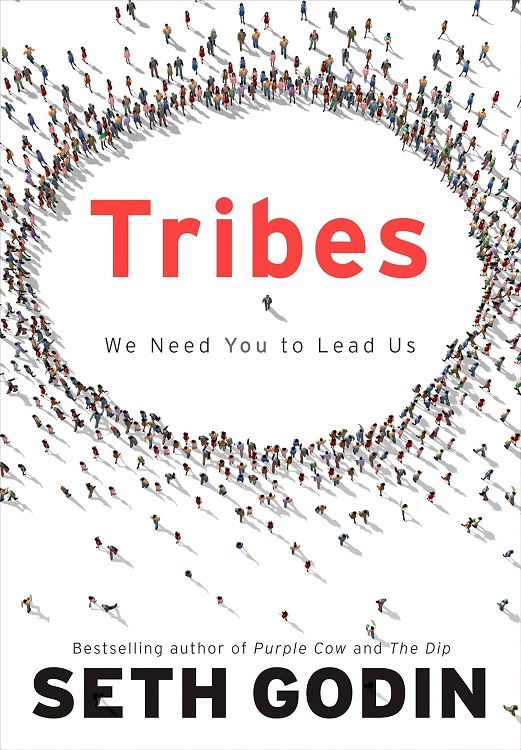
In a world where anyone with an internet connection can become a leader, Tribes by Seth Godin stands out as a bold and empowering guide for those ready to inspire, unite, and make meaningful change.
This in-depth Tribes summary explores the book’s insights on leadership, the power of communities, and how passionate individuals can spark movements by building and nurturing their own tribes.
Whether you’re an entrepreneur, content creator, team leader, or social change advocate, Tribes offers a compelling vision for 21st-century influence—one rooted in authenticity, shared values, and trust.
What Is Tribes About?
At its core, Tribes is about leadership—specifically, the idea that anyone can lead. Godin challenges the notion that leadership is reserved for a select few with titles or authority. Instead, he presents a democratized view of influence: leaders are those bold enough to stand up, speak out, and unite people around a shared vision.
A “tribe,” as Godin defines it, is a group of individuals connected to one another, to a leader, and to an idea. Today’s tools—social media, blogs, email—make it easier than ever to gather, communicate with, and inspire a tribe. But the real magic lies in how you lead that group.
Chapter-by-Chapter Breakdown of Tribes
Chapter 1: The Power of Leadership
Godin opens with a powerful truth—leadership is not about authority, it’s about action. Leaders are made, not born. They step forward with passion and vision and bring people together to make change happen. The key is to connect with others who resonate with your mission and values: your tribe.
Chapter 2: The Tribe’s Leader
Effective leaders don’t need a formal title. What they need is authenticity and commitment. In this chapter, Godin highlights how genuine belief in a cause is more persuasive than status or charisma. It’s not about commanding followers, but inspiring them. Great leaders empower their tribes, fostering a shared identity and common purpose.
Chapter 3: The Rise of the Connection Economy
We’ve moved beyond the industrial economy and into a connection economy, where influence is built on relationships, not resources. Godin argues that success today is tied to your ability to form emotional and social connections—with your tribe, your audience, and your peers.
In this new landscape, loyalty and trust are stronger currencies than advertising dollars.
Chapter 4: The Big Idea
What unites a tribe is a compelling idea. Great leaders rally people around a “big idea”—a transformative vision that challenges the status quo and promises a better future. This chapter encourages readers to define their message and communicate it clearly and consistently.
Without a clear mission, a tribe lacks direction. With it, they become a movement.
Chapter 5: The Structure of a Tribe
Unlike hierarchical organizations, tribes thrive on organic collaboration and shared leadership. A tribe’s structure is decentralized but united by purpose. Godin underscores the importance of fostering a culture of mutual respect, open dialogue, and shared responsibility. Leaders here are more like catalysts—sparking interaction and action.
Chapter 6: Working with Gatekeepers
Godin identifies “gatekeepers”—journalists, editors, influencers—as those who traditionally controlled information flow. In today’s digital world, leaders can bypass them and go straight to their tribes. Still, building strategic relationships with these gatekeepers can help amplify your message—so long as it’s rooted in value and trust.
Chapter 7: Understanding the Competition
While competition is a natural part of leadership, Godin advises not to obsess over it. Focus instead on differentiation. What sets your tribe apart? What do you stand for that others don’t? Tribes succeed not by battling others, but by standing out with clarity and conviction.
Chapter 8: The Art of Possibility
Here, Godin offers a balance between vision and realism. Leaders must dream big—but also stay grounded. Setting achievable goals, celebrating small wins, and making consistent progress are essential. Incremental victories inspire momentum and reinforce belief in the mission.
Chapter 9: Embracing the Dip
Every tribe hits rough patches. Godin calls this “the Dip”—a necessary valley between starting strong and reaching success. True leaders don’t quit during the dip. They lean in, learn, and lead their tribes through adversity. It’s perseverance, not perfection, that defines impactful leadership.
Chapter 10: Making a Declaration
Leaders must clearly declare what they believe in and where they’re headed. This declaration becomes a rallying cry that attracts the right people. Whether you’re leading a brand, a movement, or a local community, your vision must be communicated boldly and consistently to spark loyalty and action.
Chapter 11: The Power of Storytelling
Stories are how tribes connect. They carry emotion, context, and values in ways that facts alone cannot. Godin explains that stories build culture, trust, and meaning. Leaders who craft authentic narratives about their mission and journey create stronger emotional bonds with their followers.
Chapter 12: Redefining Success
Success is rarely linear. It’s a winding path marked by learning, adjustment, and persistence. This chapter encourages leaders to redefine success—not just in terms of numbers or metrics, but in impact, engagement, and alignment with core values.
Chapter 13: The Invisible Leader
Not all leadership needs to be loud. The most effective leaders sometimes step back and let the tribe shine. Godin celebrates “invisible leadership,” where influence happens without ego or control. These leaders empower others to act, take ownership, and spread the vision.
Chapter 14: The Future of Leadership
In the final chapter, Godin looks ahead. Leadership, he argues, is becoming more accessible. The digital age has democratized influence—what matters now is courage, not credentials. The future belongs to those who are willing to take initiative, challenge norms, and bring people together for meaningful causes.
Key Lessons from Tribes Summary
- Anyone can lead. You don’t need a title—just a mission and the courage to speak up.
- Tribes are everywhere. Find people who share your beliefs and bring them together.
- Connection matters more than control. Relationships, authenticity, and trust are the new levers of influence.
- Storytelling fuels leadership. Share your journey to humanize your mission.
- Start small, think big. Great movements begin with bold ideas and consistent action.
About Seth Godin
Seth Godin is a globally recognized marketing strategist, entrepreneur, and author. Known for reshaping the way people think about business, branding, and influence, Godin has written more than 20 bestselling books, including Purple Cow, The Dip, and This Is Marketing. His writing is concise, insightful, and often challenges conventional wisdom—making his ideas both accessible and transformative.
Who Should Read Tribes?
- Aspiring leaders seeking to start a movement or build a community.
- Entrepreneurs wanting to stand out and connect authentically with customers.
- Team managers and executives looking for more impactful leadership strategies.
- Activists and changemakers passionate about rallying others around a cause.
If you want to lead with purpose and build something that truly matters, Tribes is a must-read.
Final Thoughts: Tribes Summary
This Tribes summary shows that leadership is no longer about command—it’s about connection. Seth Godin’s insights empower us to stop waiting for permission and start leading. By uniting people around shared ideas and values, anyone can build a tribe and create lasting impact.
In an age where community and authenticity matter more than ever, Tribes is a powerful roadmap for stepping up, standing out, and sparking change.