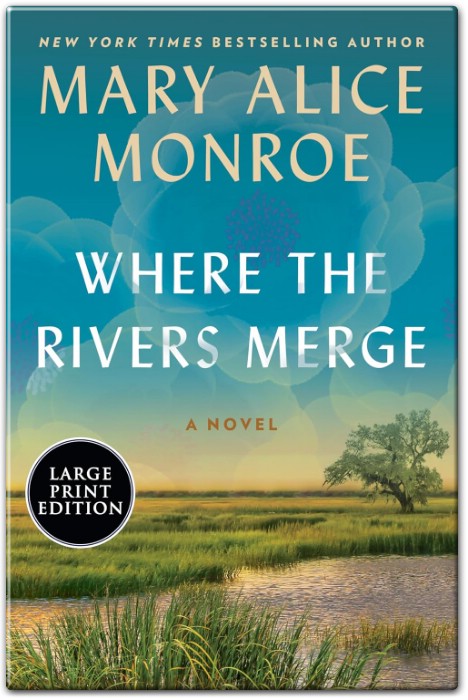
If you have a passion for historical fiction that beautifully blends family, land, and legacy, Where the Rivers Merge by Mary Alice Monroe is a book you must explore. This captivating novel transports readers into the heart of South Carolina’s Lowcountry, unfolding the story of Eliza Pinckney Rivers Delaney, a determined woman dedicated to preserving her family’s ancestral estate, Mayfield. Spanning nearly eight decades, from 1908 to 1988, Monroe crafts a rich narrative that interweaves environmental passion, multi-generational drama, and timely social issues such as racial tension and female empowerment.
In this comprehensive Where the Rivers Merge summary, we will explore the novel’s core themes, key characters, and the emotional journey that makes this work a standout in contemporary Southern fiction. Whether you’re a history buff, a book club organizer, or simply a lover of evocative storytelling, this summary will enrich your understanding of Monroe’s masterful storytelling.
About the Author: Mary Alice Monroe and Her Literary Legacy
Mary Alice Monroe is a New York Times and USA Today bestselling author renowned for her Southern fiction that gracefully fuses human stories with urgent environmental themes. With over 25 novels to her credit, Monroe is widely celebrated for her lyrical prose and her ability to weave ecological awareness into compelling narratives.
Originally from Illinois, Monroe’s educational background in biology from Eastern Michigan University laid the foundation for her lifelong commitment to nature and conservation. After moving to Charleston, South Carolina, she found her muse in the Lowcountry’s marshes, wildlife, and culture — a connection that deeply informs her writing.
Monroe’s novels, including the acclaimed Beach House series and Where the Rivers Merge, consistently highlight endangered species, habitat preservation, and environmental activism, making her a unique voice in contemporary literature. Beyond her novels, she actively supports wildlife conservation initiatives and uses her platform to raise awareness about coastal sustainability.
Where the Rivers Merge Summary: Chapter Highlights and Plot Overview
Chapters 1–5: Roots of Mayfield and Eliza’s Childhood (1908–1920s)
The novel opens with a vivid portrait of Mayfield, a sprawling Lowcountry estate that symbolizes heritage and identity for Eliza’s family. From an early age, Eliza challenges traditional gender roles with her independence and fierce spirit. Her close friendship with Covey, a Black healer living on the estate, provides a nuanced look at race relations in a deeply segregated society.
Set against the backdrop of Jim Crow laws and the aftermath of World War I, these chapters establish the historical and emotional foundation of the story.
Chapters 6–10: Defying Patriarchy and Embracing Stewardship
Eliza confronts the gender limitations imposed by her era, such as being barred from horse races, symbolizing broader societal restrictions faced by women. Her deepening connection to Mayfield sparks a lifelong commitment to environmental preservation. Meanwhile, her alliance with Covey represents quiet acts of resistance against racial segregation.
Chapters 11–15: The 1916 Hurricane and New Challenges
A powerful hurricane ravages the Lowcountry, testing Eliza’s resilience and marking a turning point in her environmental activism. The storm’s aftermath reveals not only physical destruction but also emotional and social upheaval, highlighting ongoing racial tensions and family struggles.
Chapters 16–20: Family Conflict and Generational Struggles (1988)
Now in her late 80s, Eliza faces a new threat: her son Arthur’s plans to develop Mayfield’s land. This generational conflict epitomizes the tension between conservation and capitalism. New characters such as Savannah, Eliza’s granddaughter, and Norah, a mysterious visitor, add layers of mystery and uncover family secrets hidden in estate murals.
Chapters 21–25: Revelations and Resolution
The murals on Mayfield’s walls become a metaphorical archive, unveiling long-held truths about Eliza’s past and her family’s legacy. The final confrontation between Eliza and Arthur encapsulates the struggle for Mayfield’s future, culminating in an emotional climax that sets the stage for the sequel.
Key Themes in Where the Rivers Merge
The Land as Legacy
Mayfield is more than just land—it embodies memory, identity, and responsibility. Monroe poses poignant questions about what we owe to the land that shapes us and how to balance progress with preservation, themes that resonate deeply with contemporary environmental debates.
Race and Friendship During Segregation
Eliza’s friendship with Covey challenges the rigid racial divides of the Jim Crow South, offering a sensitive portrayal of interracial relationships and shared humanity amidst systemic oppression.
The Strength and Resilience of Southern Women
Eliza exemplifies the “steel magnolia” archetype—strong, loving, and unyielding. Her defiance against patriarchal constraints mirrors broader feminist struggles throughout the 20th century, making her a compelling and inspiring protagonist.
Why You Should Read Where the Rivers Merge
- Rich Historical Context: The novel provides an immersive look into early 20th-century South Carolina, the environmental crises of the late 1900s, and the social upheavals of the Jim Crow era.
- Complex Characters: Monroe’s portrayal of flawed yet inspiring individuals offers a deep exploration of human nature and resilience.
- Evocative Storytelling: The lyrical prose vividly captures the Lowcountry’s landscapes, making the setting a living, breathing part of the narrative.
- Timely Themes: With its focus on legacy, race, family, and environmental stewardship, the novel invites readers to reflect on issues that remain relevant today.
Frequently Asked Questions About Where the Rivers Merge
Q1: What is Where the Rivers Merge about?
A: It follows Eliza Rivers Delaney’s lifelong mission to protect her family’s estate against social, environmental, and familial challenges spanning much of the 20th century.
Q2: Is Where the Rivers Merge part of a series?
A: Yes, this novel is the first installment in a two-part saga, with a sequel scheduled for release in 2026.
Q3: What are the main themes?
A: The book explores environmental conservation, racial friendship during segregation, intergenerational conflict, and female empowerment.
Q4: Who is Mary Alice Monroe?
A: Monroe is a bestselling author known for Southern fiction that blends ecological and social issues with engaging storytelling.
Q5: Is this book suitable for book clubs?
A: Absolutely. It provides rich material for discussion on history, race, gender roles, and environmental ethics.
Final Thoughts: Embrace the Legacy in Where the Rivers Merge
Where the Rivers Merge is more than just a historical novel—it’s a profound exploration of the ties that bind us to our land, our family, and our past. Mary Alice Monroe’s storytelling invites readers to reflect on legacy, justice, and stewardship through the lens of a remarkable woman’s life.
If you appreciate layered narratives that offer both emotional depth and thought-provoking themes, this book is a must-add to your reading list. Whether you’re drawn to historical fiction, environmental narratives, or strong female protagonists, Where the Rivers Merge delivers an unforgettable experience.
Ready to embark on this journey? Pick up Where the Rivers Merge today and immerse yourself in the enduring power of family and the land they cherish.